Avoiding Septic System Mishaps: Essential Tips for First-Time Homeowners Apr 25, 2026
Understanding the Basics of Your Septic System
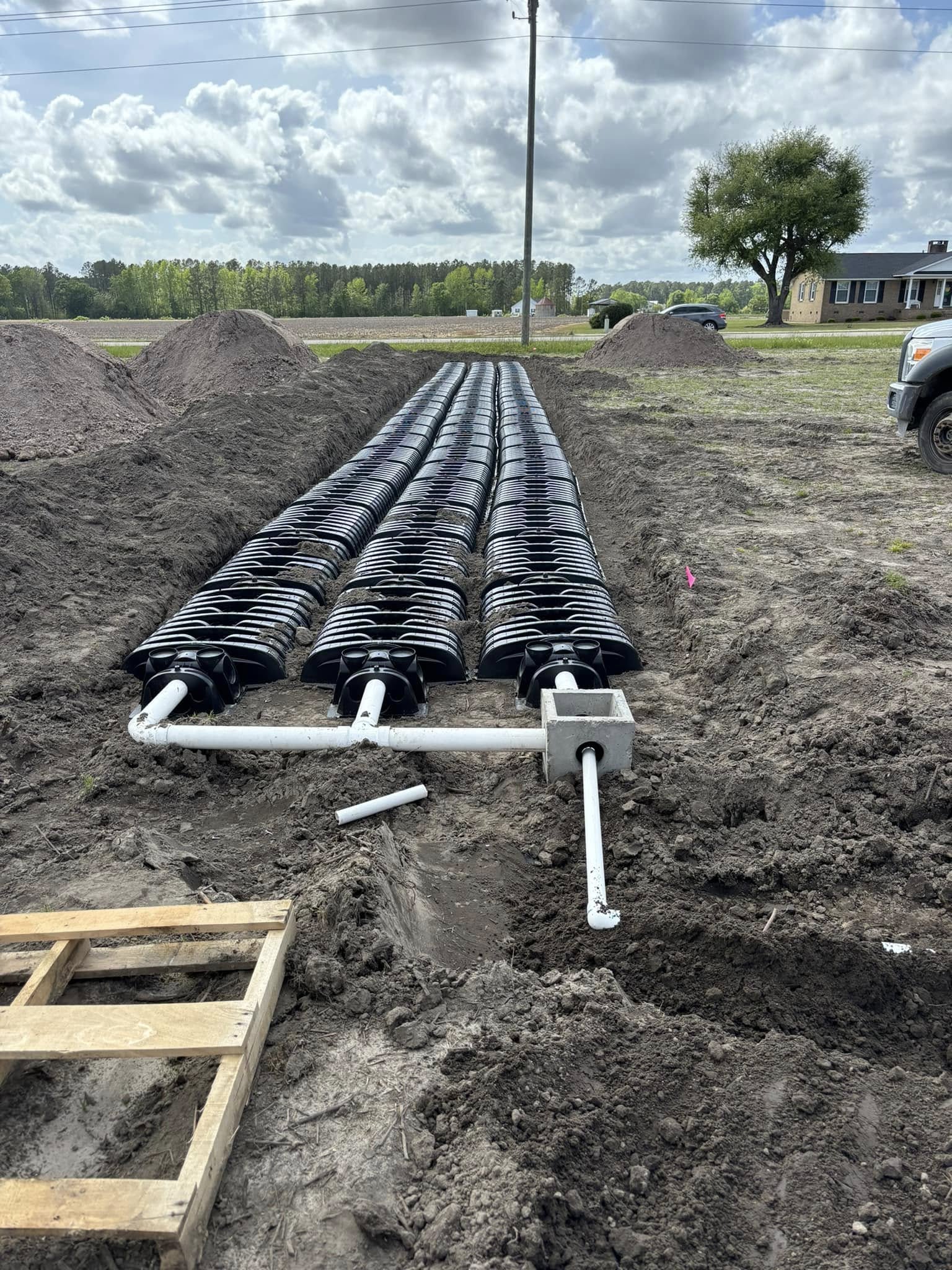
Your septic system is a vital component of your home's wastewater management. It comprises a septic tank and a drain field, which work together to treat and dispose of sewage safely. Regular maintenance is key to preventing system failures and maintaining environmental safety. As a first-time homeowner, familiarizing yourself with these components and their functions is the first step towards effective septic system care.
Establishing a Regular Maintenance Routine
Routine maintenance is the cornerstone of septic system management. Scheduling regular inspections every three to five years with professional services like Diversified Septic ensures that any potential issues are addressed early. These inspections can reveal problems such as tank leaks or drain field clogs before they escalate into serious concerns.
Pumping your septic tank is another essential maintenance task. Depending on the size of your household and the usage of the system, septic tanks generally require pumping every three to five years. This process prevents solids from building up and entering the drain field, where they can cause expensive damage.
Being Mindful of Water Usage
Efficient water use prolongs the life of your septic system. Overloading the system with excessive water can lead to flooding and may cause untreated sewage to contaminate your property. To avoid this, consider installing water-saving devices, fixing leaks promptly, and spreading out heavy water-use activities, such as laundry and dishwashing, throughout the week.
Adopting Safe Waste Disposal Practices
What goes into your septic system can significantly affect its health. Educate your household about what should and shouldn't be flushed or washed down the drain. Avoid flushing non-biodegradable items like wipes, feminine hygiene products, and cotton swabs. Learnings these safe waste disposal practices can help you maintain an optimal septic system and reduce the risk of clogs and other disruptions.
Using Septic Safe Products
Be cautious about the products you use in your household. Many cleaning products, such as bleach and chemical drain cleaners, can disrupt the natural bacteria within your septic tank that are essential for breaking down waste. Look for septic-safe labels or choose natural alternatives whenever possible to minimize harm to your septic system.
Monitoring Warning Signs
Keep an eye out for common warning signs of septic system issues. These may include slow drains, unpleasant odors, or patches of bright green grass over your drain field. If you notice any of these issues, contact a septic professional immediately. Early detection can prevent minor problems from growing into more significant issues, saving you time and money in the long run.
In conclusion, being a responsible septic system owner starts with understanding and implementing these fundamental practices. By regularly maintaining your system, being mindful of water usage, disposing of waste properly, and using septic-safe products, you can avoid costly septic system mishaps. With the support of experienced professionals like those at Diversified Septic, first-time homeowners can enjoy peace of mind knowing their septic systems are in capable hands. Taking these simple steps will not only protect your investment but also contribute to a healthier environment.
/filters:no_upscale()/filters:format(webp)/media/335c4493-24d6-40ad-874f-8350ffefd7f0.jpeg)
/filters:no_upscale()/filters:format(webp)/media/435f57b7-9261-446c-b5ce-52f49644ce3c.jpeg)