DIY Septic Care: What Tasks You Can Do at Home & When to Call Professionals May 13, 2026
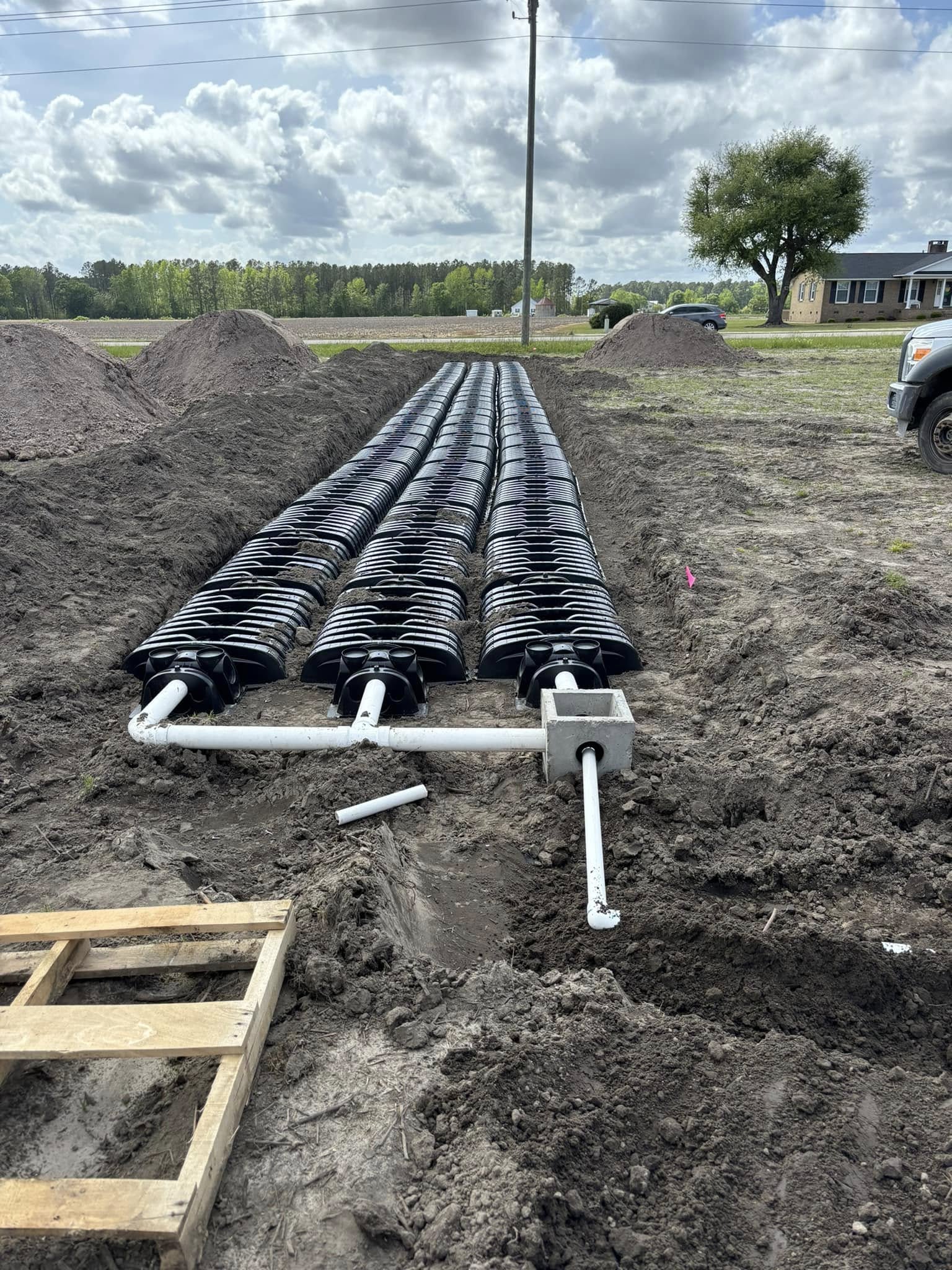
Understanding your septic system’s components is the first step in DIY septic maintenance. Your system includes a septic tank, drain field, and the plumbing that connects the two. Proper care begins with regular self-inspections and maintaining the balance between what you put into your septic system and what your system can handle. Here are a few tasks you can start with at home.
First, be mindful of what goes down your drains. Avoid pouring fats, oils, and grease into your kitchen sink since these substances can cause clogs and disrupt the microbial balance necessary for breaking down solids in your tank. Additionally, only flushable items should go down toilets. Refrain from using the toilet as a trash can. Educating household members on these practices can prevent common issues and extend your system’s lifespan.
Second, diversify your water usage. Spread out laundry loads throughout the week instead of doing them consecutively. This practice prevents overwhelming your system with gray water and allows the drain field to recover between uses. Installing water-efficient fixtures can also minimize water waste and reduce the load on your septic tank.
Regular visual inspections of your drain field can also be conducted safely by homeowners. Look for signs of a healthy drain field, such as lush green grass or, conversely, soggy areas which may indicate saturation or failure. If you spot any issues, it might be time to consult professional services to avoid further damage.
While these smaller maintenance tasks can be managed by homeowners, certain situations undoubtedly necessitate professional help. For instance, septic tanks require periodic pumping, usually performed every three to five years depending on usage and tank size. Delaying this essential service can cause backups, costly repairs, and system failure.
Moreover, if you experience persistent foul odors, slow drains, or see signs of standing water near the drain field, it’s crucial to contact professional septic services. These could be indicators of systemic problems beyond the scope of DIY solutions. Specialized equipment and trained technicians, like those at Diversified Septic, ensure thorough inspections and repairs, maintaining your system’s health and overall home hygiene.
In addition, consider employing professional services for advanced troubleshooting or when upgrading parts of your system. Whether it's adding inspection ports, additional tank compartments, or advanced treatment systems, these enhancements typically require expertise beyond standard homeowner capabilities.
In conclusion, maintaining a septic system involves a collaboration between mindful at-home practices and the expertise of professional septic services. By performing routine checks and adhering to responsible usage habits, homeowners can manage minor tasks independently. However, enlisting qualified professionals for regular maintenance and in problem scenarios ensures the longevity and proper functionality of your septic system. Diversified Septic is here to support you every step of the way, ensuring your septic system functions optimally while keeping your home safe and your mind at ease.
/filters:no_upscale()/filters:format(webp)/media/335c4493-24d6-40ad-874f-8350ffefd7f0.jpeg)
/filters:no_upscale()/filters:format(webp)/media/435f57b7-9261-446c-b5ce-52f49644ce3c.jpeg)