Eco-Friendly Upgrades: Optimizing Your Septic System for a Greener Future Apr 23, 2026
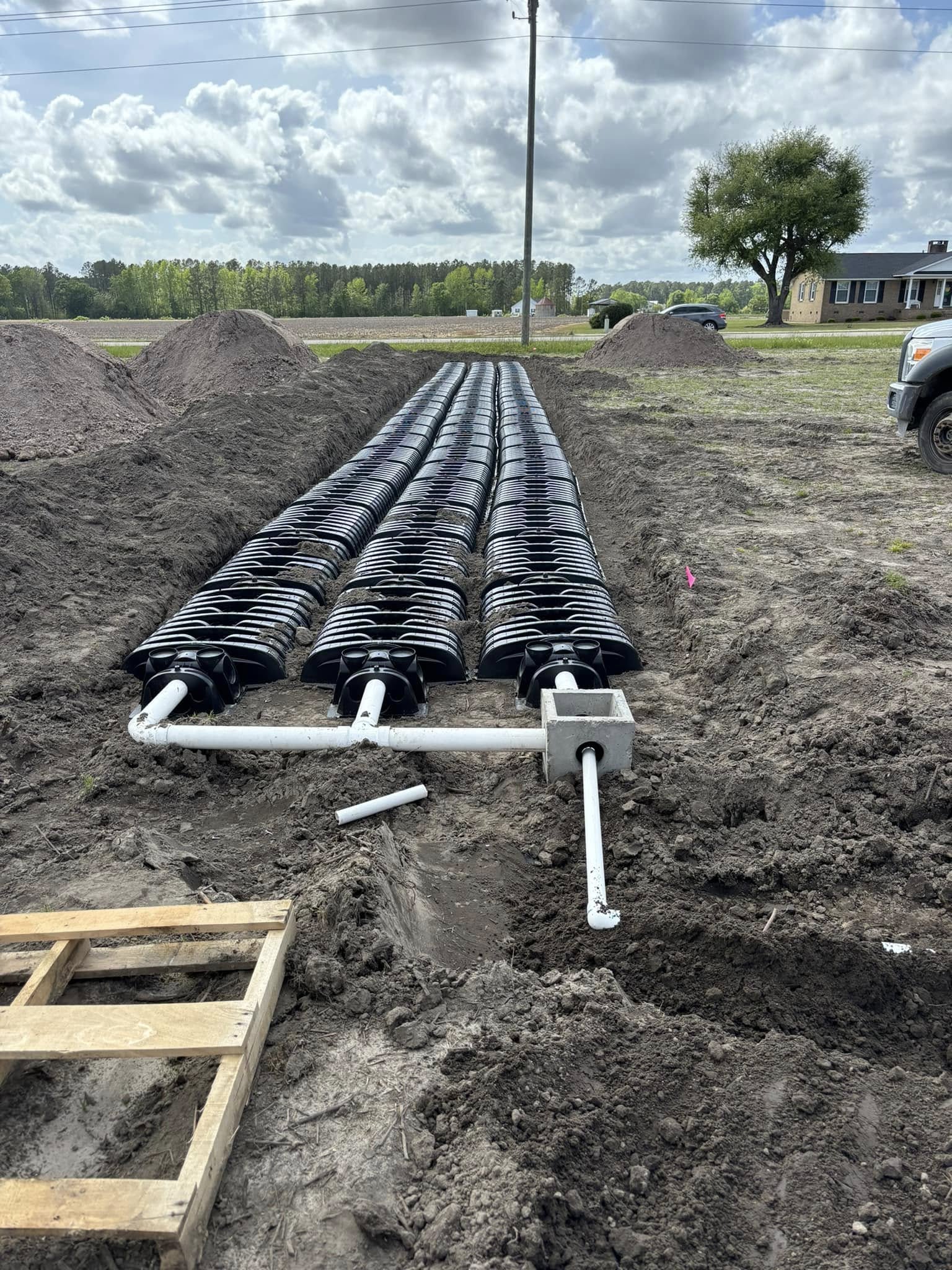
First and foremost, understanding the role of septic systems in eco-friendliness is essential. Septic systems naturally process wastewater by separating solids from liquids and allowing bacteria to break down waste. A well-maintained system reduces pollutants entering the water table, making it vital to keep your system functioning optimally. Here are some actionable ways to upgrade your system for a greener future.
Start by evaluating your water usage. Excessive water can overwhelm your septic system, leading to inefficiency and potential failure. Consider installing low-flow faucets, showerheads, and toilets to significantly reduce water waste. This simple change cuts down on the volume entering your system, allowing it to function more effectively and sustainably.
Next, focus on regularly inspecting and maintaining your septic system. At Diversified Septic, we recommend routine inspections and pumping every three to five years, depending on your system’s usage and size. Regular maintenance prevents the buildup of sludge and scum that can clog the drain field and cause harm to the environment. Furthermore, prompt repairs of leaks or damages conserve resources and avoid costly overhaul needs later on.
Choosing eco-friendly cleaning products is another step towards a greener septic system. Many conventional cleaning agents contain harsh chemicals that can disrupt the bacterial balance critical for waste breakdown. Opt for biodegradable, septic-safe products that maintain the functionality of your system while reducing chemical runoff into the soil.
Incorporating plants strategically around your septic system provides dual benefits: improved system performance and environmental enhancement. Planting grass, flowers, or shallow-rooted shrubs over the drain field stabilizes the soil and optimizes filtration. This natural approach not only supports your system but also contributes to carbon sequestration and oxygen production.
Investing in alternative systems such as aerobic treatment units could also be worth considering. These units add oxygen to the treatment process, which facilitates faster breakdown of organic matter and enhances the treatment effectiveness. Though more costly upfront, they offer long-term savings and environmental gains.
Finally, education plays a crucial role. Make sure everyone in your household is aware of proper septic care—what can and cannot be flushed, why it's important to conserve water, and how their actions impact the system's health. This collective consciousness fosters a sustainable practice that not only optimizes the system’s efficacy but also contributes to a greener environment.
In conclusion, transitioning to a more eco-friendly septic system involves awareness, routine maintenance, and mindful practices. By implementing these strategies, you’ll extend the lifespan of your system, reduce environmental impacts, and potentially save money in the process. At Diversified Septic, we're committed to helping you achieve a sustainable future with reliable septic service solutions. Embrace these changes today and contribute to a healthier planet while ensuring your septic system remains effective for years to come.
/filters:no_upscale()/filters:format(webp)/media/335c4493-24d6-40ad-874f-8350ffefd7f0.jpeg)
/filters:no_upscale()/filters:format(webp)/media/435f57b7-9261-446c-b5ce-52f49644ce3c.jpeg)