Essential Septic Tank Maintenance Tips for Homeowners Dec 05, 2025
Understanding Your Septic System
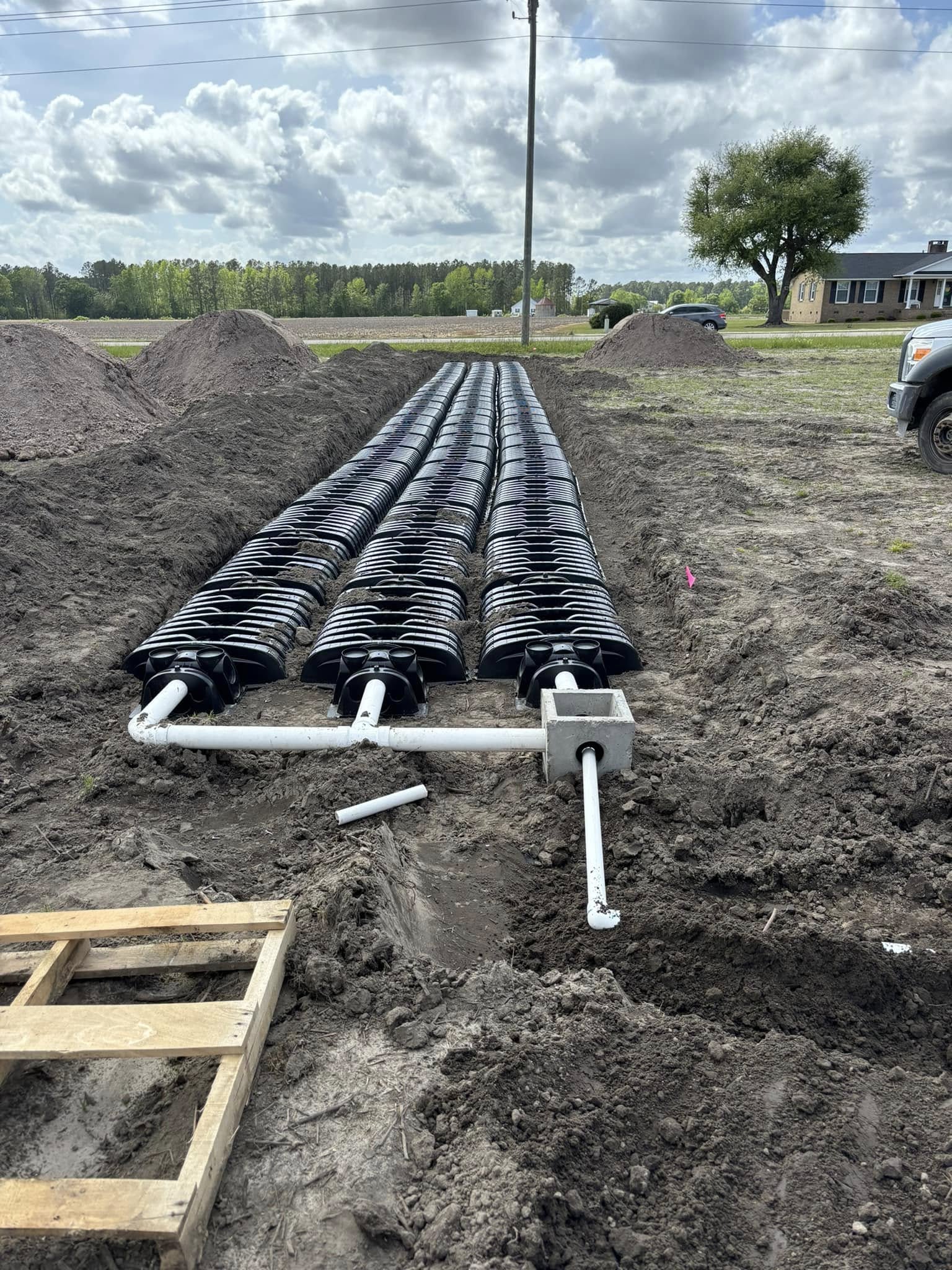
Before diving into maintenance tips, it's essential to understand how your septic system works. A typical septic system comprises a septic tank and a drain field. Wastewater from your home enters the septic tank where solids settle at the bottom, forming sludge, while oils and lighter particles float as scum. The liquid effluent passes into the drain field for further treatment.
Regular Inspections and Pumping
One of the most crucial aspects of septic tank maintenance is scheduling regular inspections. The frequency of inspections can vary, but a good rule of thumb is every three to five years. During an inspection, professionals from Diversified Septic can assess the scum and sludge layers' thickness, ensuring they don't overfill the tank.
Pumping is equally important and should align with your inspection timeline. Overfilled tanks can lead to backups and contamination of the drain field. By pumping your tank when necessary, you can prevent these issues and keep your septic system functioning smoothly.
Mind What You Flush
Being mindful of what you flush down the toilet or pour down the drains can significantly impact your septic system's health. Avoid flushing items like sanitary products, diapers, and kitchen scraps. Even certain chemicals and detergents can disrupt the natural bacteria within the tank that break down waste. Opt for septic-safe products to maintain a balanced environment inside your tank.
Conserve Water
Excessive water use can overwhelm your septic tank, leading to potential overflow or drain field saturation. Simple habits like fixing leaky faucets, using high-efficiency appliances, and spacing out laundry loads can make a big difference. Conserving water not only helps preserve your septic system but also saves on water bills.
Protect Your Drain Field
The drain field is a critical component of your septic system, responsible for further treating wastewater before it's reabsorbed into the ground. To protect it, ensure the area is free from heavy objects and vehicles that may compact the ground. Deep-rooted plants should also be kept away, as roots can infiltrate and damage the pipes.
Watch for Warning Signs
Stay vigilant for warning signs of septic system problems. Slow draining sinks, unpleasant odors, or pooling water in your yard can indicate a system in distress. Addressing these issues promptly with professional help from Diversified Septic can prevent more severe problems down the line.
Conclusion: Proactive Care for Peace of Mind
Maintaining your septic tank might not be at the top of every homeowner's list, but it's an essential part of home ownership. By following these tips and working with trusted professionals like Diversified Septic, you can ensure your septic system operates efficiently for years to come. Regular care and attention not only extend the life of your system but also safeguard your home and the environment. Remember, a little proactive care today can save significant headaches tomorrow. For expert assistance and reliable service, never hesitate to reach out to Diversified Septic.
/filters:no_upscale()/filters:format(webp)/media/335c4493-24d6-40ad-874f-8350ffefd7f0.jpeg)
/filters:no_upscale()/filters:format(webp)/media/435f57b7-9261-446c-b5ce-52f49644ce3c.jpeg)