Exploring the Science Behind Septic Systems: What Keeps Them Running Smoothly Apr 15, 2026
Septic systems are essentially self-contained, underground wastewater treatment facilities primarily used in rural areas without centralized sewage systems. A typical septic system consists of two main components: the septic tank and the drain field. Wastewater flows from the house into the septic tank, where the magic happens.
In the septic tank, waste matter undergoes a natural process of separation. Here, heavier solids settle at the bottom forming sludge, while lighter particles such as oils and fats float to the top, creating a scum layer. This separation is crucial as it keeps the solid waste in the tank, allowing the liquid portion, known as effluent, to move into the drain field.
Bacteria play a central role in the breakdown of solids, transforming them into more decomposed and less harmful substances. These naturally occurring bacteria are vital for the system's efficiency, which is why it's essential to avoid products like antibacterial soaps and harsh chemicals that could disrupt their activity.
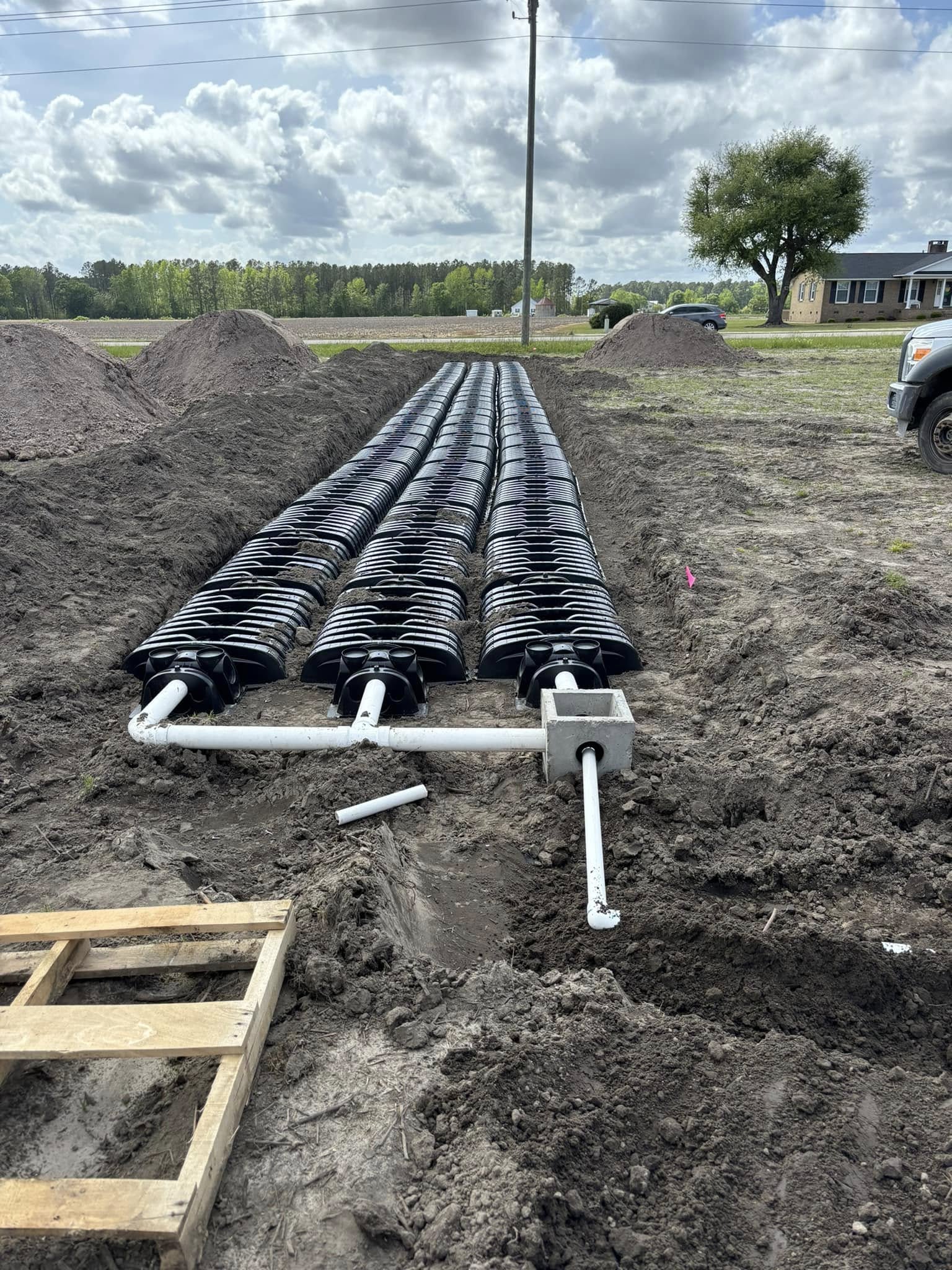
Once the wastewater leaves the septic tank, it enters the drain field, a network of perforated pipes underground. The drain field disperses the effluent into the surrounding soil, which acts as a natural filter, removing harmful bacteria and nutrients. The soil's purification process ensures that the water eventually re-enters the groundwater system as clean water.
Maintaining a functional septic system involves regular inspection and pump-outs to remove the sludge that accumulates over time. Typically, a septic tank should be pumped every three to five years, but this can vary depending on the system's size and household water usage. Regular pump-outs prevent the build-up of solids, which can lead to blockages and potential damage to the drain field.
Water conservation is another critical aspect. Overloading the system with excessive water can disrupt the natural treatment process, pushing untreated water into the drain field. Simple practices like fixing leaks, installing low-flow fixtures, and spreading laundry loads throughout the week can significantly reduce water usage.
Additionally, what you flush down the drains greatly impacts your septic system's longevity. Non-biodegradable items such as diapers, wipes, and feminine products can block the system and lead to severe issues. As a rule of thumb, only human waste and toilet paper should be flushed.
Keeping trees and deep-rooted plants away from the septic system is also vital. Roots can infiltrate the pipes and tank, causing costly damages. Regularly checking and maintaining the system's landscape can prevent these issues.
In conclusion, understanding the science behind septic systems allows homeowners to take a proactive approach to maintenance. At Diversified Septic, we recommend routine inspections, mindful water usage, and proper waste disposal to keep your system functioning smoothly. By taking these preventive steps, you can enjoy peace of mind, avoid unexpected repairs, and contribute positively to the local environment. Remember, a well-maintained septic system is not just an investment in your home, but in your community's wellbeing as well.
/filters:no_upscale()/filters:format(webp)/media/335c4493-24d6-40ad-874f-8350ffefd7f0.jpeg)
/filters:no_upscale()/filters:format(webp)/media/435f57b7-9261-446c-b5ce-52f49644ce3c.jpeg)