From Drainfield Design to Installation: Mastering Your Septic System Setup Apr 04, 2026
Understanding Septic System Essentials
Before diving into the details of design and installation, it’s essential to grasp the basic components of a septic system. Primarily, a septic system consists of a septic tank and a drainfield. The septic tank's role is to collect and treat wastewater, allowing solids to settle and decompose. Subsequently, the liquid effluent flows into the drainfield, where it undergoes additional filtration through the soil.
Designing Your Drainfield
The design phase is critical, as it sets the stage for how well your septic system will function. An effective drainfield design considers several factors, including soil type, land slope, and the number of water sources feeding into the system. At Diversified Septic, we recommend conducting a percolation test to assess the soil's absorption rate. This test will determine the size and layout of your drainfield, ensuring that it can efficiently handle the volume of wastewater generated by your household.
During the design phase, it's also important to consider the placement of the system in relation to your property and any regulatory requirements. Local health departments often outline specific guidelines for minimum distances between the septic system and property lines, water bodies, and buildings. Ensuring compliance with these regulations helps prevent contamination and prolongs the system's lifespan.
Septic System Installation Process
Once the design is finalized, it’s time to move on to the installation process. This phase requires precision and expertise to ensure all components are correctly positioned and connected. At Diversified Septic, we stress the importance of using high-quality materials and employing experienced professionals for the installation job.
During installation, focus on the excavation of the drainfield and septic tank site. Proper excavation ensures that the tank is level and that the drainfield is built with the right slope to facilitate the gravity flow of wastewater. Any errors at this stage can lead to costly repairs and compromises in system efficiency.
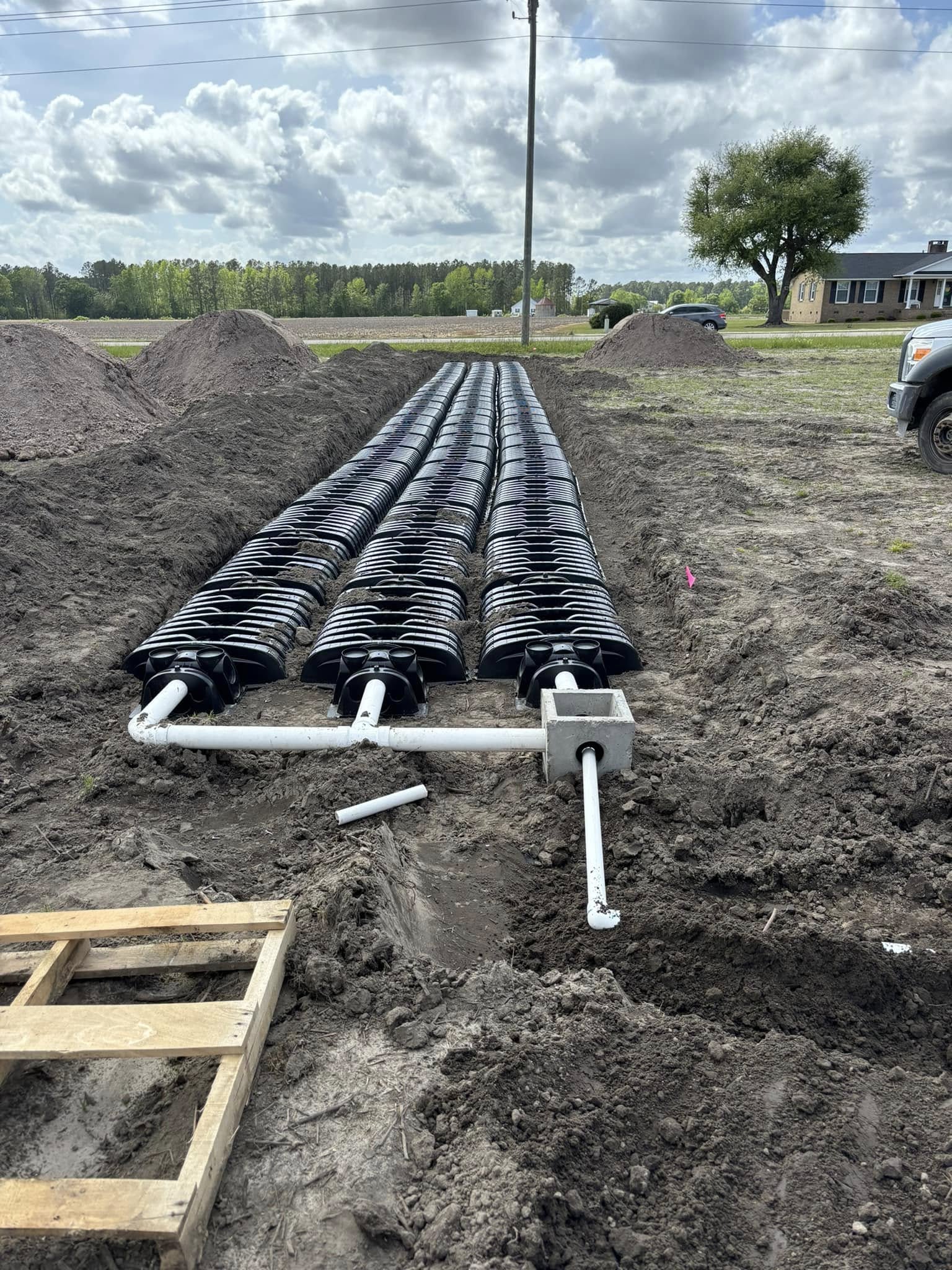
After excavation, the septic tank is placed and securely connected to the household plumbing system. The next step involves setting up the drainfield with the designed layout. The correct installation of distribution boxes and piping is essential for even distribution of effluent across the drainfield. Covering the system with the right type of soil is also vital to avoid surface runoff and excessive drainage that could swamp the system.
Maintaining Effortless System Operation
After successful installation, ongoing maintenance is key to a healthy system. Regular inspections and septic tank pumping, typically every three to five years, are recommended. At Diversified Septic, we offer maintenance services to ensure your septic system operates smoothly for years to come.
Additional considerations for maintaining system health include avoiding the disposal of non-biodegradable materials or chemical substances into the drains, as these can disrupt the bacteria that treat waste in your septic tank.
Conclusion
Mastering your septic system setup involves thoughtful planning, expert installation, and diligent maintenance. By understanding each part of the process, from drainfield design to installation, you can ensure your septic system remains efficient and durable. At Diversified Septic, we are committed to guiding you through every step, offering reliable services and expert advice to safeguard your investment for a seamless septic system experience.
/filters:no_upscale()/filters:format(webp)/media/335c4493-24d6-40ad-874f-8350ffefd7f0.jpeg)
/filters:no_upscale()/filters:format(webp)/media/435f57b7-9261-446c-b5ce-52f49644ce3c.jpeg)