How Effective Septic System Design Can Prevent Future Headaches Mar 17, 2026
Understanding the Basics of Septic System Design
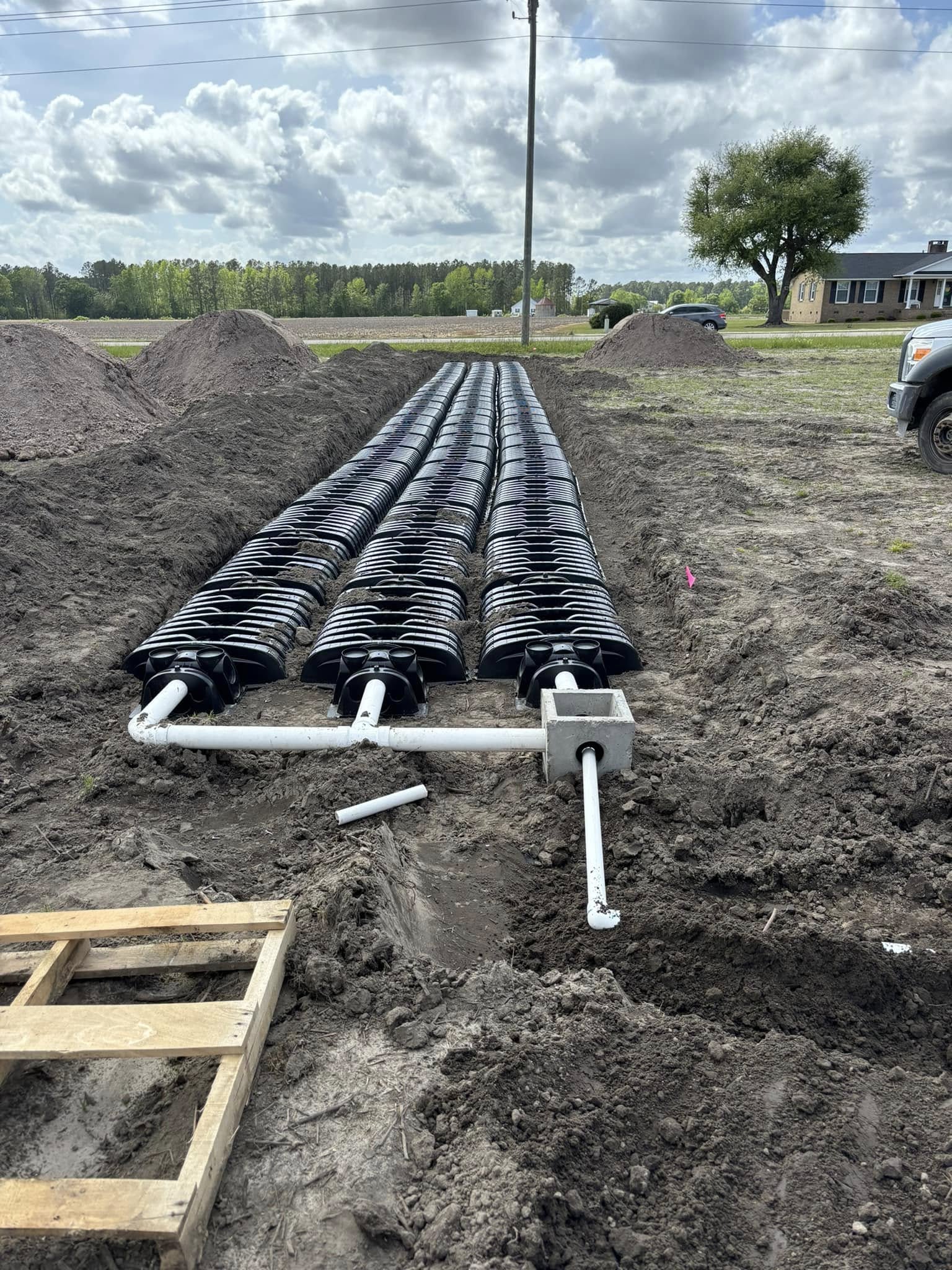
A septic system consists of a septic tank and a drainfield. The purpose of the system is to treat and dispose of domestic wastewater from kitchens, bathrooms, and laundry facilities. Effective septic system design starts with understanding your home's specific needs and the environmental conditions of your property. This includes evaluating the soil type, water table depth, and the scale of wastewater generated by your household. A design that considers these factors ensures efficient wastewater treatment and minimizes risks of system failure.
Ensuring Proper Size and Placement
One of the critical aspects of septic system design is determining the optimal size of the septic tank and drainfield. An undersized system may lead to frequent backups and overflows, while an oversized system can cause operational inefficiencies. The placement of these components also plays a significant role in their effectiveness. Ideally, septic tanks should be positioned where heavy vehicles and equipment are not likely to pass, as this could lead to structural damage. A professional assessment by a company like Diversified Septic can ensure these factors are accurately considered and implemented.
Incorporating Advanced Technologies
As septic system technologies continue to evolve, there are new options available that enhance the effectiveness of wastewater treatment. For instance, aerobic treatment units introduce oxygen to break down organic matter more efficiently than traditional anaerobic systems. Moreover, advanced systems equipped with alarms can notify homeowners of potential issues, allowing for prompt action before small problems become significant concerns. Investing in these technologically advanced systems now could prevent costly repairs and unpleasant surprises in the future.
Regular Maintenance and Monitoring
No matter how well-designed a septic system is, it still requires regular maintenance to ensure it operates effectively. This includes routine pumping of the septic tank to remove sludge and solids that accumulate over time. Similarly, inspecting the system’s components can identify minor issues before they escalate into major problems. Being proactive about maintenance can dramatically increase the lifespan of your system and maintain its efficiency, which is why establishing a relationship with a reputable service provider like Diversified Septic is vital.
Conclusion: Preventative Action Saves Headaches
The foundation of a trouble-free septic system lies in its design and regular upkeep. By focusing on effective septic system design, homeowners can significantly reduce their chances of dealing with messy and costly failures. It is about taking preventative action today to avoid headaches tomorrow. For homeowners seeking peace of mind and long-term savings, investing in a well-planned septic system design, followed by consistent maintenance, is an investment that pays off. Remember, you can always rely on Diversified Septic to guide you through the process, ensuring your system is designed and maintained with care and expertise.
/filters:no_upscale()/filters:format(webp)/media/335c4493-24d6-40ad-874f-8350ffefd7f0.jpeg)
/filters:no_upscale()/filters:format(webp)/media/435f57b7-9261-446c-b5ce-52f49644ce3c.jpeg)