How to Avoid Common Septic System Pitfalls: A Homeowner's Guide Feb 20, 2026
One of the most common issues homeowners face is septic tank overflow. This can often be avoided by regular inspection and pumping. The frequency of pumping depends on the size of the household and the septic system itself, but generally, systems should be inspected every 1 to 3 years and pumped every 3 to 5 years. By keeping up with this maintenance schedule, you can prevent unpleasant backups and costly damage to your septic system.
Proper waste disposal is another key factor in avoiding septic system issues. Not all household waste is septic-safe; for example, flushing non-biodegradable items or harsh chemicals down the toilet can lead to clogging and system failure. To keep your septic system in good health, avoid flushing paper towels, feminine hygiene products, and wet wipes, even if they're labeled as flushable. Additionally, be cautious of what goes into your kitchen sink—it’s vital to minimize the introduction of grease, oils, and food solids to your system, as these can cause blockages.
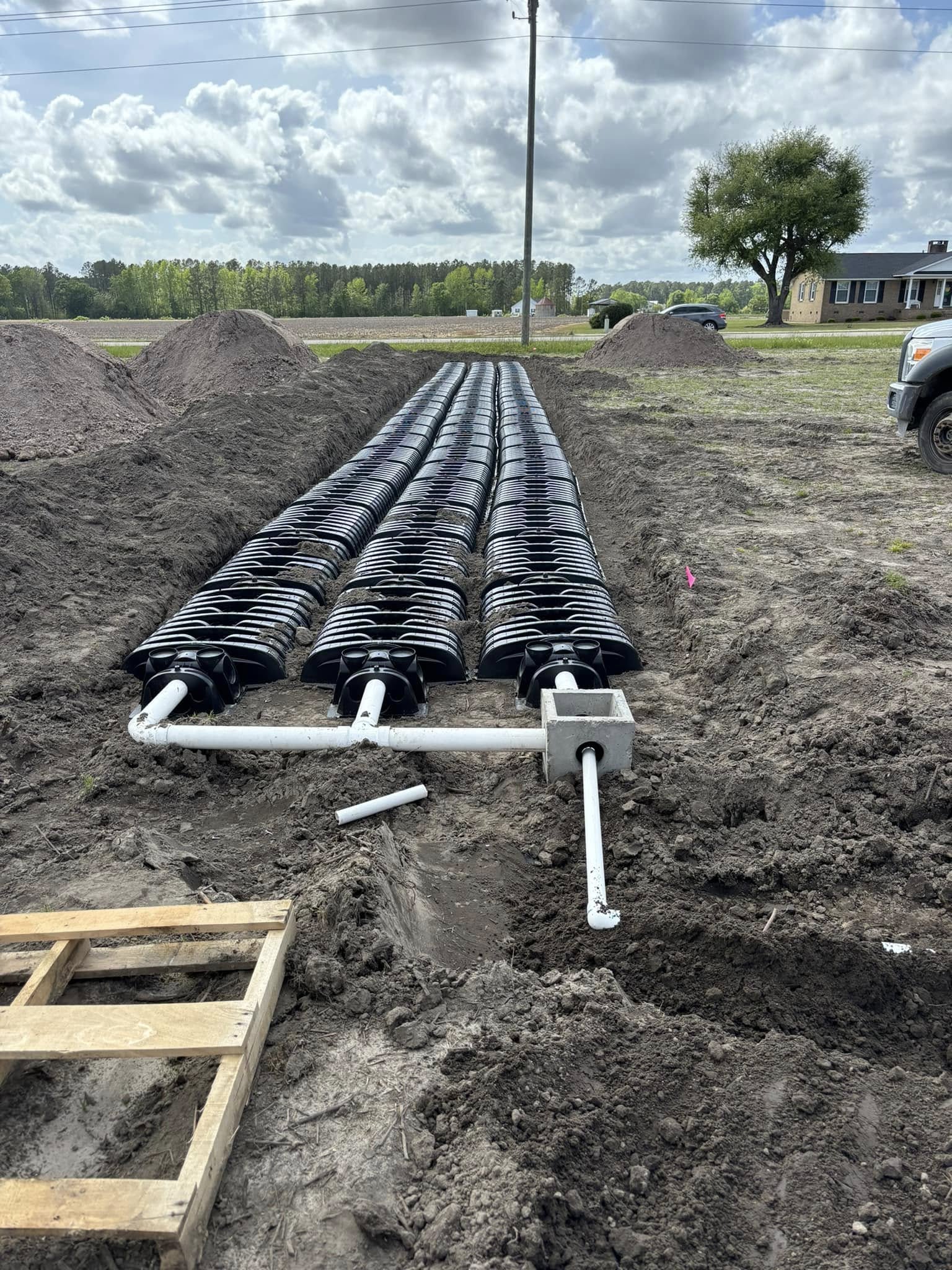
The area around your septic tank and drain field is another crucial aspect to monitor. Avoid driving over the drain field, as this can compact the soil and damage the pipes. Also, refrain from planting trees or shrubs too close to the system, as their roots may invade and disrupt your septic components. Grass is the only recommended cover for your drain field, as it helps prevent erosion and maximize evaporation.
Water conservation in your home can significantly impact the health of your septic system. Excessive water use can overload the system, leading to possible failure. Be mindful of your water usage by fixing leaks, installing low-flow fixtures, and spreading laundry loads throughout the week, rather than overloading your system with large quantities of water at once. Maintaining a balance in water usage ensures that the system processes waste effectively.
It is also wise to stay informed about the signs of septic system failure, which include slow drains, unpleasant odors, and unusually lush patches of grass near the drain field. If you notice any of these warning signs, contacting a professional from Diversified Septic immediately can prevent minor issues from escalating into major repairs.
In conclusion, proactive maintenance, mindful usage, and regular professional inspections are the keystones to preventing septic system failures. By taking these steps, you can safeguard your system and extend its longevity, avoiding unexpected and costly repairs. At Diversified Septic, we are dedicated to helping you maintain a healthy home environment. Whether you need a routine inspection or emergency services, our team of experts is here to support your septic system needs.
Remember, a little maintenance goes a long way in keeping your septic system running smoothly. By following these guidelines, you can avoid common septic system pitfalls and ensure a safe, efficient system for your home. Trust Diversified Septic to assist you with any septic needs, ensuring peace of mind for you and your family.
/filters:no_upscale()/filters:format(webp)/media/335c4493-24d6-40ad-874f-8350ffefd7f0.jpeg)
/filters:no_upscale()/filters:format(webp)/media/435f57b7-9261-446c-b5ce-52f49644ce3c.jpeg)