Local Septic Regulations: What Homeowners Need to Know to Stay Compliant May 22, 2026
When dealing with septic regulations, the first step is understanding that rules can vary significantly between locations. In many areas, local health departments or environmental agencies set the standards to protect groundwater and local ecosystems. Homeowners must familiarize themselves with the specific requirements in their region to avoid potential fines or the costly remediation of non-compliance issues.
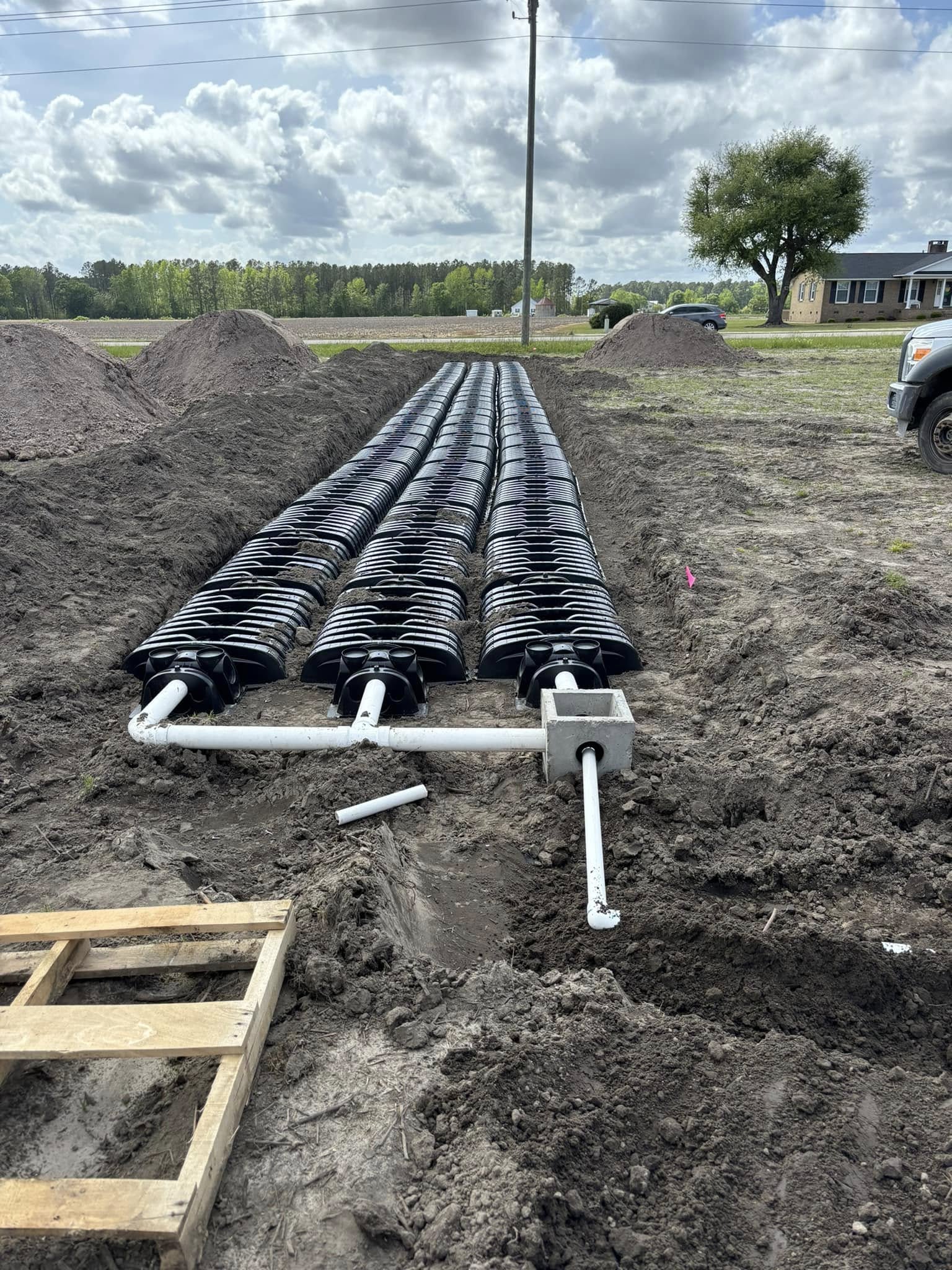
Typically, local regulations will cover areas such as system installation, regular maintenance, and inspection schedules. During the installation or replacement of a septic system, homeowners may be required to obtain permits and work with certified professionals to ensure the system meets environmental standards. At Diversified Septic, we emphasize the importance of hiring experienced, licensed contractors for both installation and maintenance to ensure compliance with local laws.
Regular maintenance is another critical aspect of complying with regulations and ensuring the longevity of your septic system. Local guidelines often dictate necessary maintenance frequencies, which typically include regular inspections and pumping every three to five years. These inspections ensure that the system is functioning correctly and that there are no leaks or damages that could lead to contamination or failure.
An essential component of maintenance is understanding what should and shouldn't go down the drains. Septic systems are designed to handle human waste and biodegradable toilet paper. Non-biodegradable items, such as wipes, diapers, cooking oils, or hazardous chemicals, should be kept out of the system as they can cause blockages, damage, or even complete failure. By adopting proper waste disposal habits, homeowners can significantly reduce the risk of problems and help maintain compliance with local septic regulations.
Another key area is record-keeping. Being organized with your documentation offers proof of compliance with local regulations. Homeowners should maintain records of system designs, installation dates, maintenance activities, and any service or repair work. These records are invaluable in demonstrating compliance during an inspection or when selling your home. Diversified Septic recommends a digital and physical record-keeping system to cover all bases.
Before buying or selling a property with a septic system, an inspection is generally required. These inspections ensure the system is in working order and complies with local laws. For potential buyers, having a clear inspection report provides peace of mind, while sellers can avoid unexpected delays by ensuring their system is up to code.
Staying compliant with septic regulations doesn't just protect you legally; it benefits the environment and saves money in the long run by avoiding costly repairs. Diversified Septic offers comprehensive services and guidance for every homeowner needing assistance with their septic systems. Our team of experts is always available to ensure that your system operates smoothly and remains compliant with all local regulations.
In conclusion, understanding and adhering to local septic regulations is an ongoing responsibility for homeowners. By keeping informed, performing regular maintenance, and working with certified septic professionals, you can ensure that your system remains environmentally friendly, efficient, and free of legal complications. Trust in knowledge and proactive management to ensure your peace of mind and the health of your local environment.
/filters:no_upscale()/filters:format(webp)/media/335c4493-24d6-40ad-874f-8350ffefd7f0.jpeg)
/filters:no_upscale()/filters:format(webp)/media/435f57b7-9261-446c-b5ce-52f49644ce3c.jpeg)