Navigating Septic System Upgrades: Choosing the Right Time and Technology Jan 06, 2026
Starting with the question of timing, many septic system owners wonder how to recognize when upgrades are necessary. The first indicator is often the age of the system. Most septic systems can last anywhere from 20 to 30 years if properly maintained. However, if your system is approaching or exceeding this lifespan, it might be time to consider an upgrade. Other signs include frequent backups, foul odors, and slow drains. If you experience these symptoms, it may indicate that your septic system is not functioning as efficiently as it should, and a professional evaluation can confirm whether an upgrade is prudent.
Technology is a pivotal part of any septic system upgrade. The advancement in septic technologies offers several options that are not only more efficient but also more sustainable. One popular option is the aerobic treatment unit (ATU). Unlike traditional anaerobic systems, ATUs introduce oxygen into the processing chamber, promoting the growth of bacteria that digest waste more thoroughly, resulting in cleaner wastewater outflow.
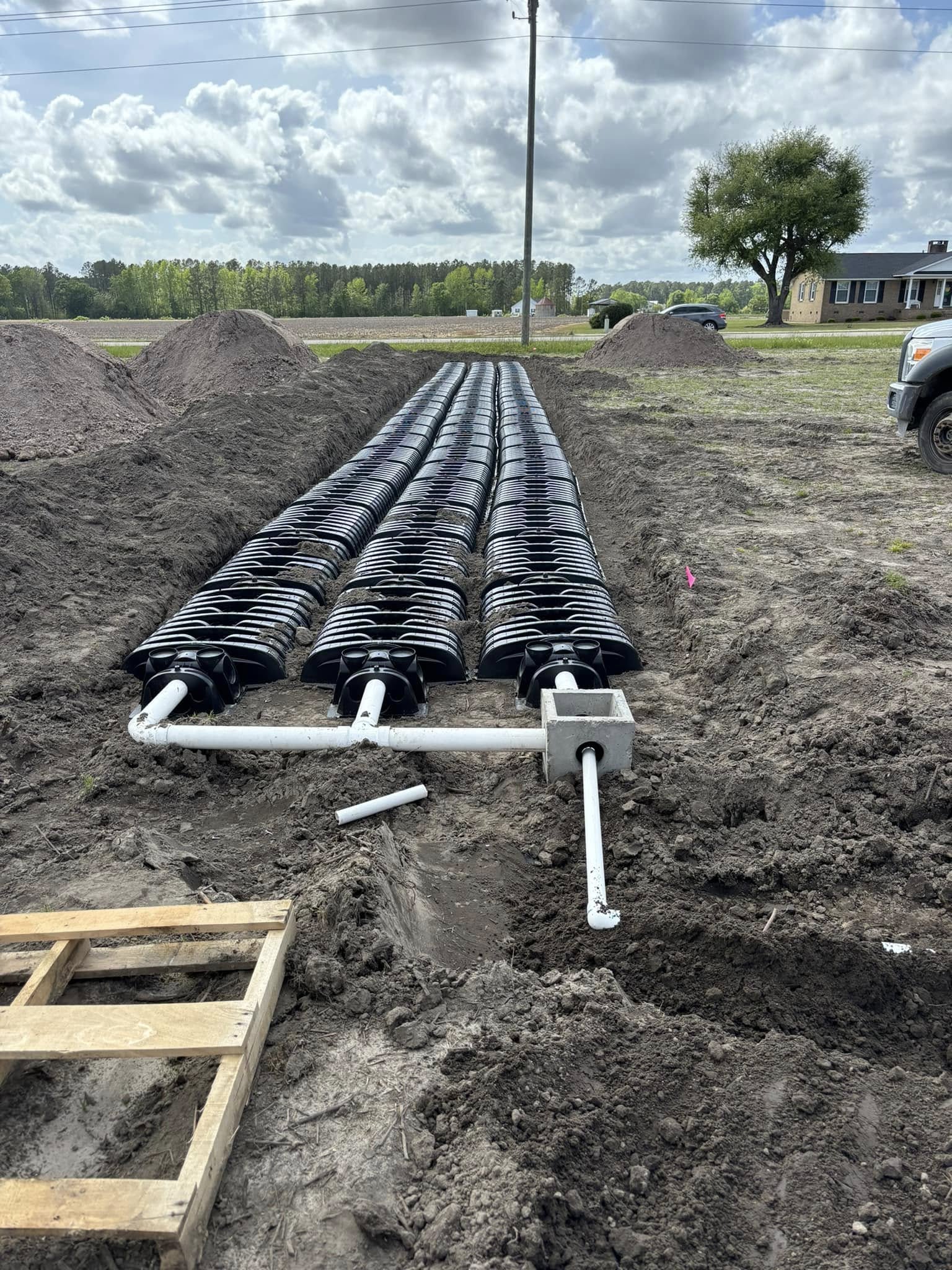
Another progressive technology is the installation of a drip distribution system. Unlike conventional methods, this involves a network of drip tubing that disperses water more evenly across your leach field. This enhances the soil's filtration ability, ensuring more effective waste disposal and reducing environmental impact.
Moreover, consider the environmentally friendly benefits of upgrading to a composting toilet system. These systems break down human waste into compost that can be safely used as fertilizer, minimizing water use dramatically and promoting a sustainable lifestyle. For properties with limited access to water or where ground conditions are challenging, composting systems can be an innovative alternative.
While choosing the right technology is essential, engaging a reputable service provider is equally important. At Diversified Septic, we encourage homeowners to consult with experienced professionals who can evaluate your specific needs and provide tailored advice on the best technologies available. Our team can guide you through the process, from understanding your current system's limitations to selecting the most efficient upgrade.
Budget is another crucial factor to consider during upgrades. While more advanced technologies might require a higher initial investment, they often result in savings over time through reduced maintenance costs and increased efficiency. Additionally, many jurisdictions offer incentives or rebates for upgrading to environmentally friendly septic solutions, which can further offset costs.
Finally, regular maintenance remains key even after upgrading. A newly upgraded septic system requires routine check-ups to ensure it operates efficiently. Diversified Septic offers comprehensive maintenance packages to keep your system in peak condition, preventing future issues and prolonging the life of your investment.
In conclusion, upgrading your septic system is a critical decision that requires careful timing, attention to technological advancements, and foresight in budgeting. By understanding these elements and partnering with experienced professionals like those at Diversified Septic, you can ensure that your septic system performs optimally, saving you time and money, while also contributing to a healthier environment. Remember, a well-maintained septic system not only adds value to your property but also provides peace of mind.
/filters:no_upscale()/filters:format(webp)/media/335c4493-24d6-40ad-874f-8350ffefd7f0.jpeg)
/filters:no_upscale()/filters:format(webp)/media/435f57b7-9261-446c-b5ce-52f49644ce3c.jpeg)