Planning for the Future: Steps to Take Before Installing a New Septic System May 19, 2026
Firstly, it’s essential to evaluate your property’s needs carefully. Consider both the size of your household and the soil conditions of your property. The size of your home and the number of inhabitants will determine the right system for your needs. At the same time, the type of soil impacts the absorption and drainage capabilities, which are critical factors in the functionality of your septic system. Conducting a soil test can provide you with vital information and is often mandated by local regulations. This test will help you choose a system that is compatible with your soil types, such as sandy, clay, or loamy soils.
Navigating the local regulations and permits process is another crucial step. Septic system installation involves a variety of permits and approvals from your local health department or building authority. It is important to research these requirements early in your planning process to avoid any delays. Regulations can vary significantly from one locality to another, so contacting local septic professionals like Diversified Septic can provide guidance tailored to the regulations in your area. They can assist in ensuring all necessary paperwork is completed, preventing any potential legal complications.
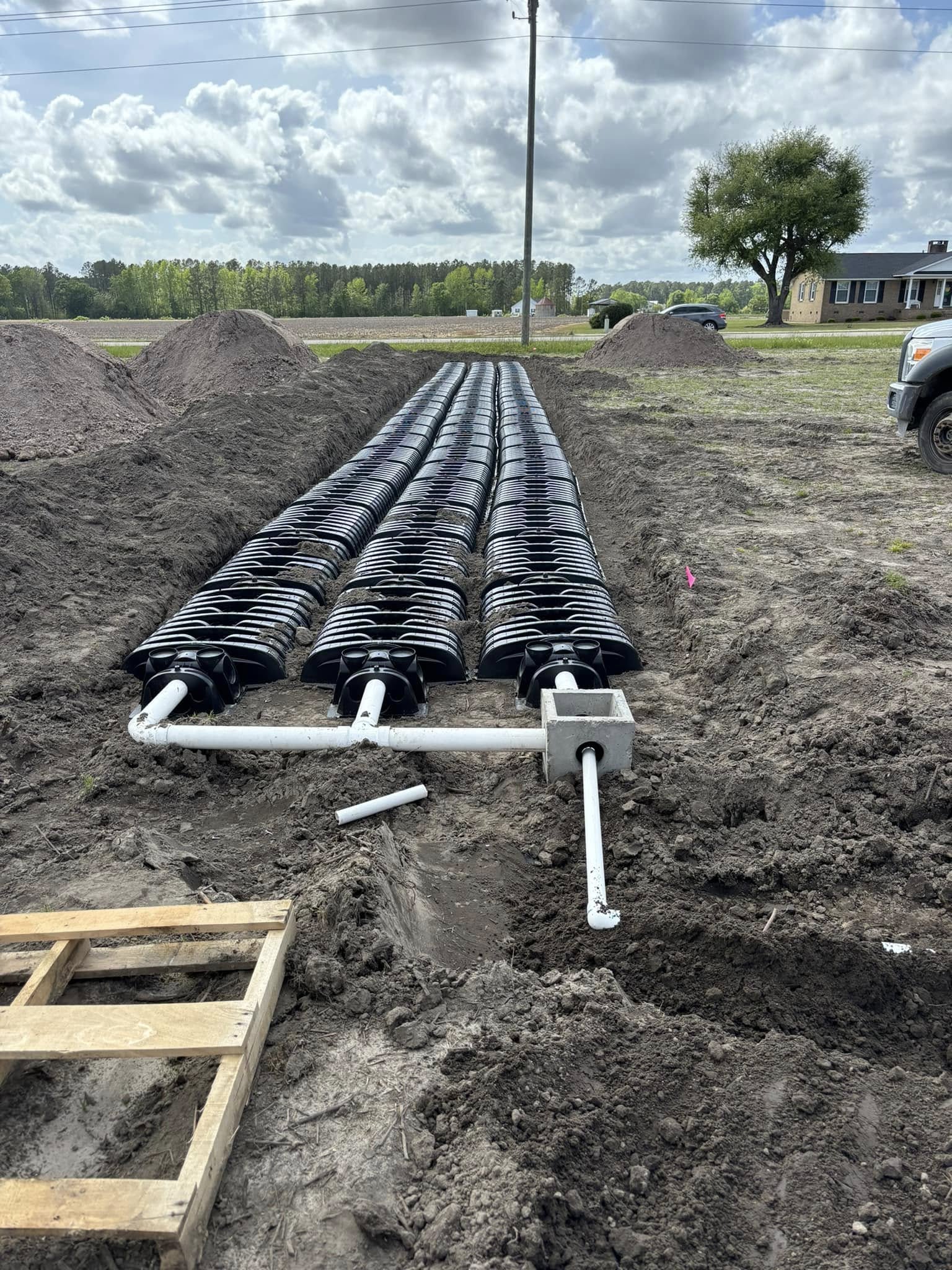
Once you have a clear understanding of your regulatory obligations, the next step is selecting the right design for your septic system. There are different types of systems, including conventional gravity systems and more advanced, engineered systems such as aerobic units. Each system type has its pros and cons depending on your location, budget, and property needs. Discussing options with a trusted septic services provider will help you make an informed decision.
Budgeting for your new septic system is also essential. Costs can vary widely based on the size of the system, the complexity of the installation, and local labor rates. It is important to get detailed estimates from several septic professionals and understand what is included in the prices quoted. A reputable company like Diversified Septic will provide transparent pricing and a breakdown of costs, ensuring you have a clear picture of the financial commitment involved.
Finally, consider the long-term maintenance needs of your septic system. Proper maintenance is critical for extending the life of your septic system and preventing future issues. Routine inspections, pumping schedules, and safe waste disposal practices are essential habits to form early on. During the installation process, ask your septic service provider about maintenance plans and any warranties they offer. This foresight into your system’s upkeep can spare you from unexpected repairs in the future.
In conclusion, planning for a new septic system installation involves several key steps from understanding your property’s needs to budgeting and considering long-term maintenance. By partnering with experienced professionals like Diversified Septic, you can confidently navigate these steps, ensuring a successful septic system installation that will serve your home efficiently for years to come.
/filters:no_upscale()/filters:format(webp)/media/335c4493-24d6-40ad-874f-8350ffefd7f0.jpeg)
/filters:no_upscale()/filters:format(webp)/media/435f57b7-9261-446c-b5ce-52f49644ce3c.jpeg)