Preparing Your Septic System for Seasonal Changes: A Comprehensive Guide Jan 02, 2026
Understanding your septic system's needs begins with recognizing how the different seasons affect it. During summer, increased household activity can lead to higher usage of water and added strain on your system. Conversely, the freezing temperatures of winter can cause issues such as frozen pipes or a slowed bacterial activity within the tank. With these seasonal nuances in mind, proactive maintenance becomes crucial.
As fall approaches, it's a good idea to schedule a professional inspection from Diversified Septic. This is the perfect time to pump out your septic tank if necessary. Regular pumping helps to prevent overflow and clogs, which can become more problematic in colder weather. An inspection will also allow professionals to assess any potential issues that could become exacerbated during the winter months.
Transitioning into winter, insulation becomes a priority to protect your septic system. Ensure that the tank and pipes are well insulated to prevent freezing. Snow cover can act as a natural insulator, so avoid shoveling or removing snow above the septic area unless absolutely necessary. Additionally, fixing any leaks or drips in your plumbing before the cold sets in will prevent added water from entering the system, which could lead to freezing.
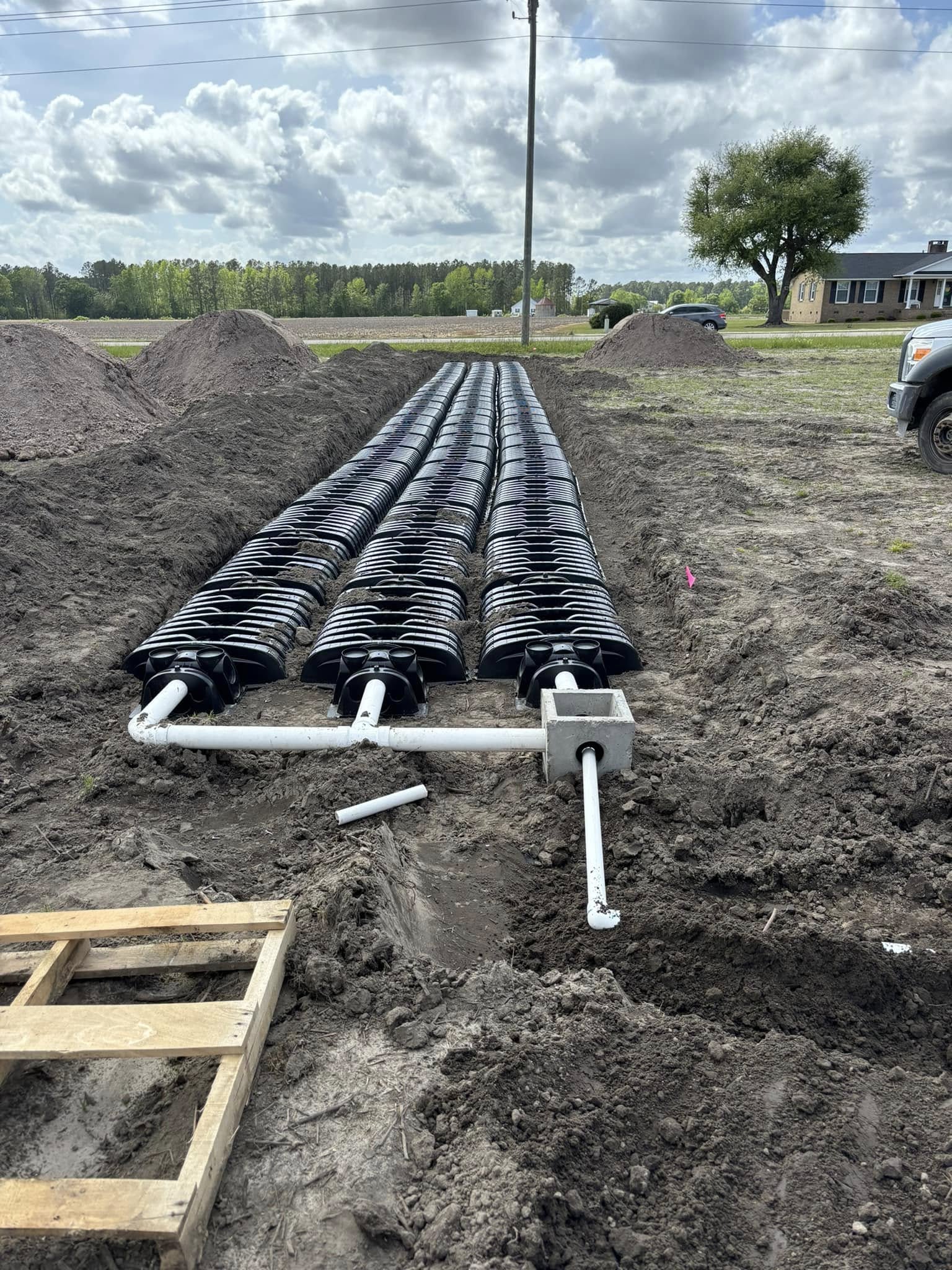
Spring brings a thaw, and with it, potential overloading due to snowmelt. It's important to keep an eye on the drain field, ensuring it remains clear of water pooling or any form of heavy machinery that could compact the soil. Compacted soil can hinder water absorption, leading to backflow issues. Planting water-absorbent grasses or positioning gutters away from the drain field are excellent strategies to manage excess water flow in spring.
For those potentially rainy summer months, consideration must be given to water consumption. Moderate your water usage to prevent overwhelming the system. This might involve spreading out laundry loads throughout the week rather than doing multiple loads consecutively or being mindful of long showers. Using water-efficient fixtures and appliances can significantly help reduce water load on your system.
As seasons turn, fall back to where you began by booking another inspection and preparing for the colder months once again. This cyclical approach to maintenance ensures that any minor issues are caught before becoming major problems. Making small, regular adjustments to your septic maintenance routine can have significant benefits, extending the life of your system and keeping your household running smoothly.
In conclusion, preparing your septic system for seasonal changes is a proactive step toward preventing costly repairs and ensuring efficient operation. By following these seasonal tips and working with our skilled team at Diversified Septic, you can keep your system in top condition all year long. Regular maintenance not only protects your home but also contributes to environmental sustainability by preventing system failures and ground contamination.
Remember, at Diversified Septic, we're always here to help guide you through the complexities of septic system care, ensuring peace of mind with every season.
/filters:no_upscale()/filters:format(webp)/media/335c4493-24d6-40ad-874f-8350ffefd7f0.jpeg)
/filters:no_upscale()/filters:format(webp)/media/435f57b7-9261-446c-b5ce-52f49644ce3c.jpeg)