Safeguarding Your Home: Practical Tips for Septic System Maintenance Mar 25, 2026
Understanding the Basics of Your Septic System
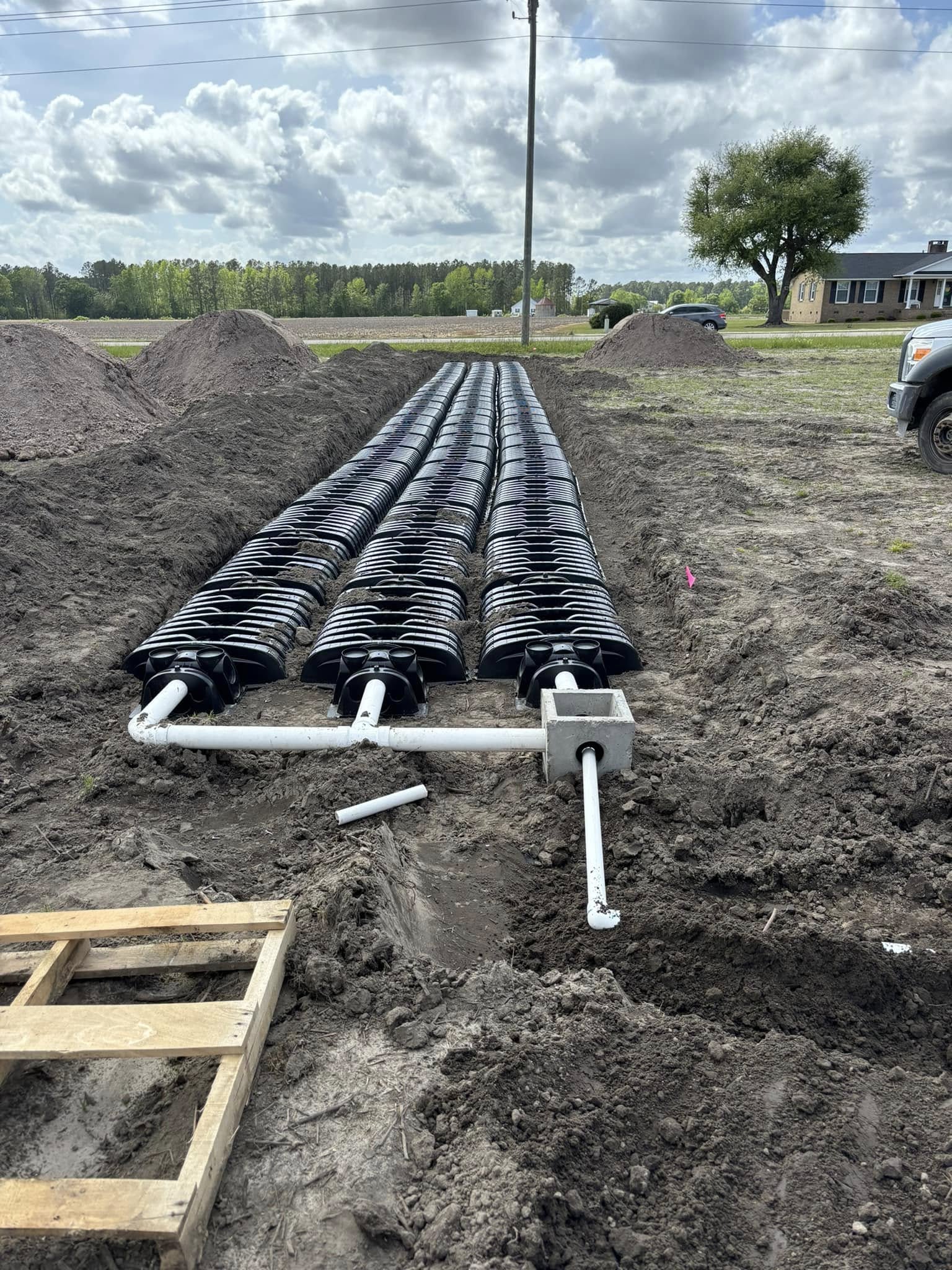
First, it's essential to understand how your septic system works. A septic system processes household waste, separating solid waste from the liquid. The solid waste settles in the tank, while the bacteria break it down. The liquid, or effluent, is released into the drain field for further filtration. This process prevents pollutants from reaching the groundwater. Understanding this process helps you make informed decisions about maintaining your system.
Regular Inspections and Pumping
One of the most critical aspects of septic system maintenance is regular inspection and pumping. We recommend scheduling an inspection every three to five years, depending on the size of your household and tank. Professional inspections help identify potential issues before they become significant problems. Pumping removes sludge and buildup in the tank, preventing overflow and system failure. At Diversified Septic, we offer professional inspection and pumping services to keep your system running smoothly.
Water Conservation Equals Maintenance
Conserving water reduces the strain on your septic system. Excessive water use can overwhelm your system, leading to backups and failures. Simple practices like fixing leaks, installing low-flow fixtures, and spacing out water-heavy activities can make a big difference. For example, staggering laundry loads throughout the week rather than doing them all at once helps your system process waste more efficiently.
Mindful Flushing and Waste Disposal
Flushing improper items can severely affect your septic system. Only flush toilet paper and human waste. Items like feminine hygiene products, diapers, wipes, and grease can cause blockages and system failures. Educate your household about appropriate flushing habits to prevent clogs and overloading your system. Additionally, avoid disposing of chemicals or medications down the drain, as they can disrupt the bacterial balance within your septic tank.
Protecting Your Drain Field
The drain field is a vital component of your septic system, responsible for filtering the liquid waste safely into the ground. Avoid parking cars or placing heavy structures over the drain field, as excessive weight can compact the soil, reducing its ability to absorb water. Plant grass over the drain field to prevent erosion and promote water evaporation. Additionally, be cautious with landscaping near the drain field to avoid roots infiltrating and damaging the system.
Recognizing Warning Signs
Early detection of problems can save time and money. Be alert for warning signs such as slow drains, unpleasant odors, or unusually green patches of grass over the drain field, which might indicate a problem. Should you notice any of these signs, don’t hesitate to contact Diversified Septic for a professional evaluation to prevent minor issues from developing into costly repairs.
Conclusion
Proper septic system maintenance is vital for the health of your home and environment. By following these practical tips, you can ensure your system operates efficiently for years to come. At Diversified Septic, we are dedicated to providing expert advice and services to help you maintain a healthy and functional septic system. Trust us to be your partners in safeguarding your home and improving your overall quality of life. For more information or to schedule a service, contact Diversified Septic today.
/filters:no_upscale()/filters:format(webp)/media/335c4493-24d6-40ad-874f-8350ffefd7f0.jpeg)
/filters:no_upscale()/filters:format(webp)/media/435f57b7-9261-446c-b5ce-52f49644ce3c.jpeg)