Septic Smart: Understanding the Key Components of Your System May 15, 2026
A typical septic system primarily consists of three main components: the septic tank, the drain field, and the soil. Let's delve into each component to provide a clearer understanding of their individual roles and significance.
Firstly, the septic tank is the cornerstone of your septic system. Usually buried underground, this watertight container is where the initial treatment processes begin. Wastewater from your home flows into the septic tank, where its purpose is to separate solid waste from liquid waste. Over time, the solids settle at the bottom as sludge, while lighter materials like oil and grease float to the top, forming scum. This natural separation allows for partially clarified liquid to exit the tank into the next section of the system. Regular inspection and pumping by professionals, like those at Diversified Septic, are crucial to prevent overflow and maintain the effectiveness of this component.
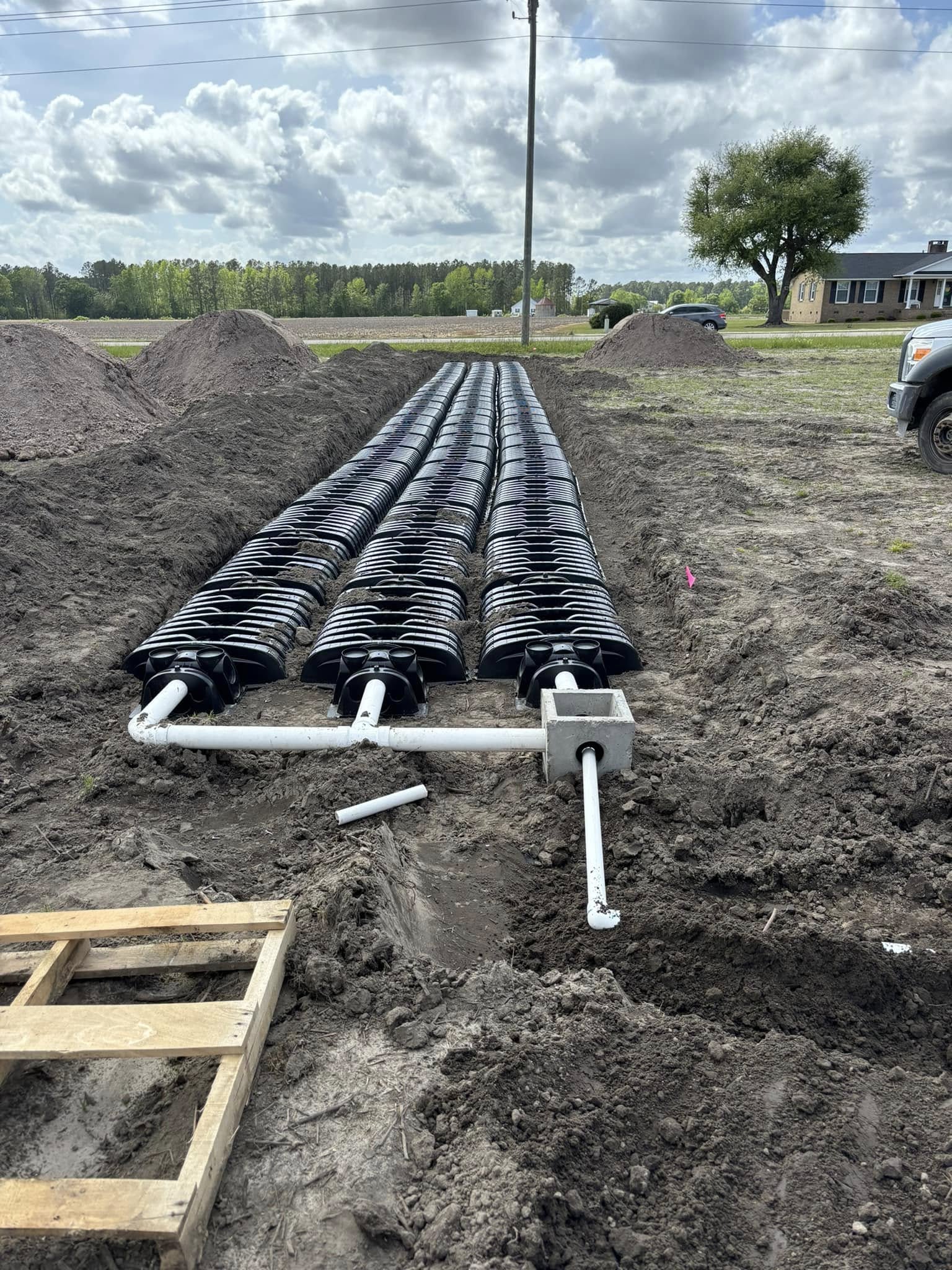
Next, we move to the unsung hero of the septic system: the drain field. Sometimes known as the leach field, this area plays an essential role in managing and recycling wastewater. After leaving the septic tank, the liquid waste—now treated as effluent—travels to the drain field. Here, it is distributed into the soil over a wide area, where natural filtration processes remove harmful bacteria and nutrients. It’s important to avoid heavy foot or vehicle traffic over this area to prevent soil compaction, which can hinder its performance.
The final, yet critical component is the soil itself. The soil acts as a natural filter and plays a vital role in the breakdown of contaminants present in the wastewater. Healthy soil successfully removes impurities, ensuring that groundwater resources remain unpolluted. To ensure the optimal performance of this section, regular maintenance and avoiding harsh chemical usage in your home can be beneficial.
Being proactive about your septic system’s health has unparalleled benefits. Here’s how you can contribute to its efficiency: schedule routine inspections and pumping every two to three years, avoid flushing non-biodegradable items down the drain, conserve water wherever possible, and use bacteria-enhancing products that promote natural breakdown processes within the tank.
Adopting these measures not only saves you from potential headaches but also contributes to environmental conservation by reducing groundwater pollution. By understanding and respecting the intricate workings of your septic system, you are empowering yourself with the knowledge needed to enhance your home’s sanitation facilities.
At Diversified Septic, we offer comprehensive inspection and maintenance services tailored to keep your septic system functioning at its best. Understanding your septic system not only increases its longevity and efficiency but also provides peace of mind.
In conclusion, having a well-maintained septic system is paramount to both the integrity of your property and the health of your environment. Whether you are troubleshooting minor issues or seeking preventive maintenance, being informed about the key components of your system is essential. Trust in experts like Diversified Septic to keep your septic system running smoothly, allowing you to focus on what truly matters in your home.
/filters:no_upscale()/filters:format(webp)/media/335c4493-24d6-40ad-874f-8350ffefd7f0.jpeg)
/filters:no_upscale()/filters:format(webp)/media/435f57b7-9261-446c-b5ce-52f49644ce3c.jpeg)