Septic Tank Safety: Best Practices for Homeowners and Professionals Mar 03, 2026
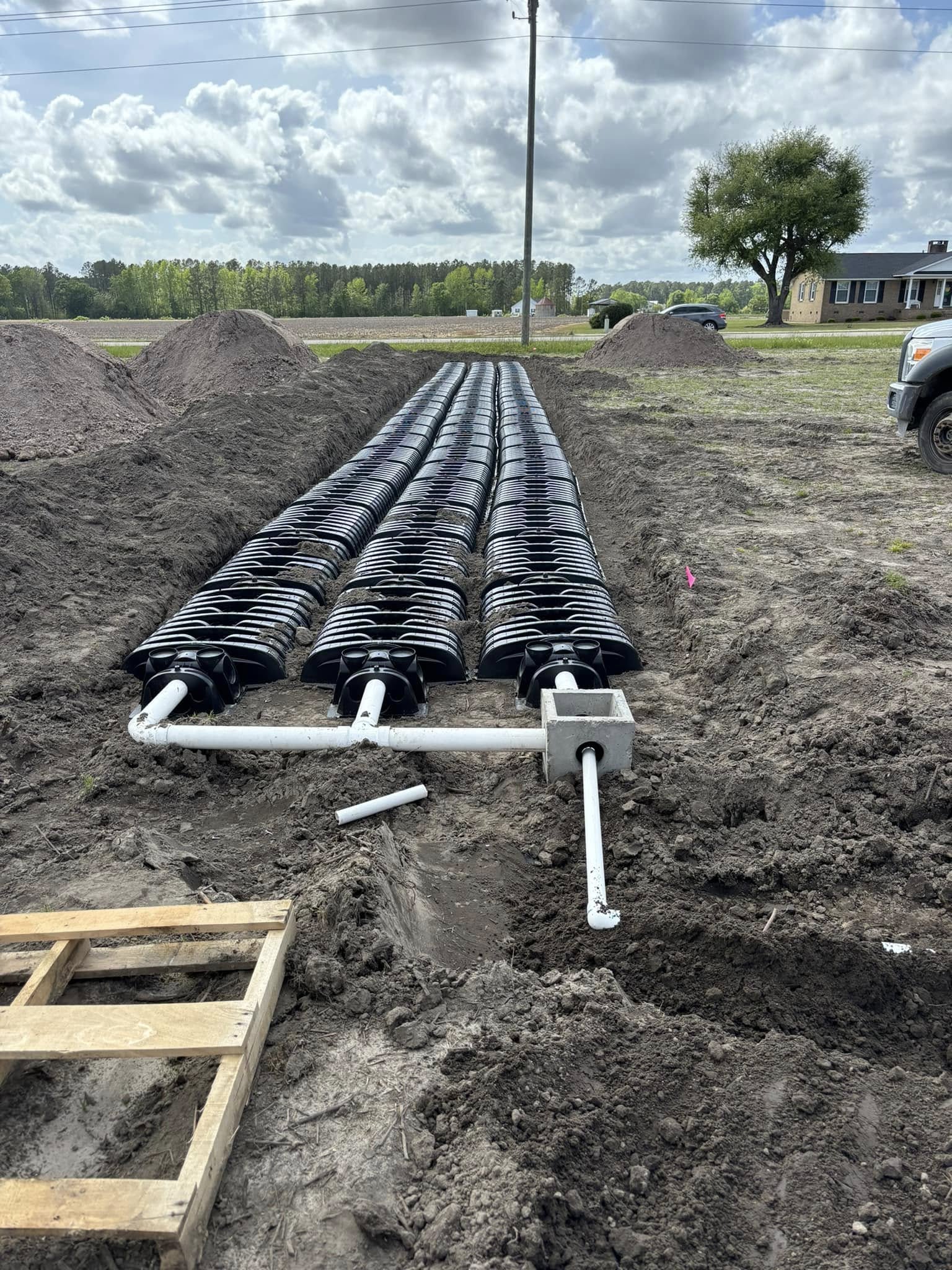
Understanding your septic system's components is the first step toward ensuring its safety and efficient operation. A typical septic system includes a tank, a drain field, and a network of pipes. Homeowners should be aware of the location and layout of their septic system to avoid accidental damage and ensure proper maintenance routines are followed.
Regular inspections are crucial. Homeowners should schedule yearly professional inspections to assess the condition of the tank. This ensures early detection of potential issues such as leaks or blockages, which can lead to more significant problems if left unaddressed. Diversified Septic recommends having a professional pump your tank every three to five years, depending on the size of the household and the tank's capacity.
Proper waste disposal significantly impacts septic tank safety. Avoid flushing items like wipes, diapers, and feminine hygiene products, which can clog the system. Even some “flushable” products can cause damage. Additionally, household chemicals such as paints, solvents, and large quantities of cleaning products can disrupt the bacterial balance necessary for the septic system to function effectively.
Maintaining the area around your septic system is equally important. Do not plant deep-rooted trees or heavy vegetation over the drain field, as their roots can cause damage to pipes. Ensure that rainwater drains away from the system to prevent it from becoming overloaded with excess water. Avoid placing heavy objects like vehicles or sheds on top of the tank or drain field to prevent structural damage.
Educating your family members or anyone using the system about these best practices can help avoid accidents and unnecessary repairs. It’s important to stress caution around the septic area to children and visitors. Septic tanks should always be securely covered with heavy lids to prevent accidental falls, especially for children and pets.
Professionals in the septic tank industry should also adhere to safety protocols to prevent accidents or environmental harm. Safety gear such as gloves, masks, and eye protection should be worn during inspections, pumping, and repairs. Understanding and following EPA guidelines and local regulations are crucial to ensure that waste disposal is conducted safely and legally. Technicians should keep up-to-date with training and certifications to provide the best possible service and stay informed about advances in septic technology.
In conclusion, the safety of both homeowners and professionals relies on awareness and adherence to best practices in septic system maintenance. By following the recommended guidelines, you can ensure the longevity of your system, prevent environmental damage, and protect the health of your family and community. Regular inspections, appropriate waste management, and an understanding of your system’s design are essential steps in this process. Services like Diversified Septic are here to assist with expert advice and maintenance, ensuring your septic system remains safe and operational for years to come.
/filters:no_upscale()/filters:format(webp)/media/335c4493-24d6-40ad-874f-8350ffefd7f0.jpeg)
/filters:no_upscale()/filters:format(webp)/media/435f57b7-9261-446c-b5ce-52f49644ce3c.jpeg)