The Impact of Household Products on Your Septic System Feb 09, 2026
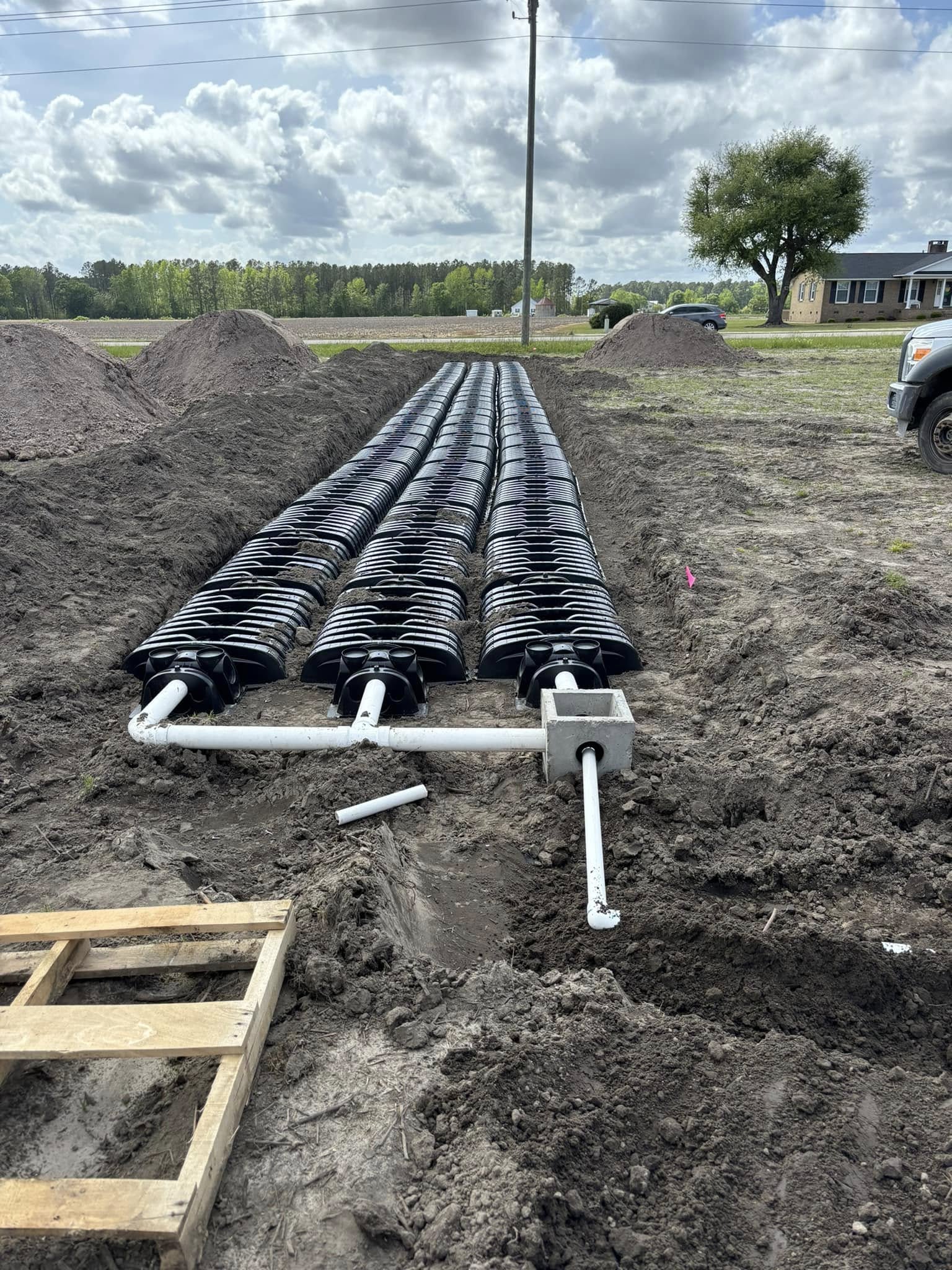
Your septic system functions as an underground wastewater treatment structure, and its efficiency depends on maintaining a delicate balance of bacteria and enzymes. These organisms break down waste and prevent toxins from seeping into the environment. However, everyday household products can disrupt this balance, leading to costly repairs or replacements.
Cleaning agents are among the most common culprits. While they help maintain household hygiene, many contain harsh chemicals that can harm the beneficial bacteria in your septic system. For instance, bleach and ammonia-based cleaners are notorious for their antibacterial properties. Although they sanitize surfaces above ground, when they enter the septic system, these chemicals can decimate the bacterial populations necessary for waste breakdown. Opt for biodegradable or septic-safe alternatives to ensure you're not inadvertently harming your system’s ecosystem.
Another category of household products to consider is personal hygiene items. While it might be tempting to dispose of wipes, feminine products, or cotton swabs by flushing them down the toilet, these items can lead to severe blockages. Unlike toilet paper, which is designed to break down quickly in water, these products can accumulate, causing clogs that reduce the efficiency of your septic system or, worse, lead to a backup. Always dispose of such items in the trash to prevent these common but costly issues.
Laundry detergents also play a significant role in septic system health. High-foaming detergents and those with phosphates can impact the functioning of your septic system. The suds can clog your septic pipes, and phosphates may lead to environmental harm by seeping into local water supplies. Choosing biodegradable or eco-friendly laundry detergents can mitigate these issues and help maintain a balanced septic environment.
Pay attention to what goes down your sink, too. Kitchen waste, particularly oil, grease, and small food particles, can form an oily film over the septic layer, hampering natural processes. Scrape food waste into the trash and use grease traps to prevent slicks from entering your system.
The impact of household products on your septic system is significant but manageable. Regular septic maintenance and being mindful of product choices can extend the life of your system and avoid unsightly and expensive problems. Diversified Septic recommends scheduling regular inspections and pumping as part of a comprehensive maintenance plan.
In conclusion, maintaining a healthy septic system requires vigilance and informed choices about the household products you use. By opting for septic-safe alternatives and following best practices in waste disposal, you protect not only the longevity of your septic system but also the environment. Contact Diversified Septic for more tailored advice and professional service to ensure your septic system remains efficient and trouble-free. Your septic health is our priority, and we're here to help at every step.
/filters:no_upscale()/filters:format(webp)/media/335c4493-24d6-40ad-874f-8350ffefd7f0.jpeg)
/filters:no_upscale()/filters:format(webp)/media/435f57b7-9261-446c-b5ce-52f49644ce3c.jpeg)