The Journey of Waste: Understanding Septic System Processing May 04, 2026
When you flush a toilet or drain a sink, your waste begins its journey through your home's plumbing system. This journey is crucial, as an efficient septic system treatment can prevent problems down the line. At its heart, a septic system is designed to separate, process, and treat waste from your home. Let's break down each phase of this fascinating process.
The primary stage in septic system processing occurs in the septic tank. This tank, made from durable materials like concrete, fiberglass, or plastic, serves as the system's first line of defense. When wastewater enters the tank, it undergoes a separation process. Heavier solids sink to the bottom, forming sludge. Meanwhile, oils and lighter substances float to the top, creating a layer known as scum. The remaining liquid between these layers, known as effluent, is where the magic happens.
Septic tanks host a community of bacteria that plays a crucial role in breaking down both the sludge and scum layers. These bacteria are essential for efficient waste decomposition and reducing the accumulation of solid waste in the tank. Using chemical cleaning agents could disrupt this delicate ecosystem, so consider opting for biodegradable products that are kinder to your septic system.
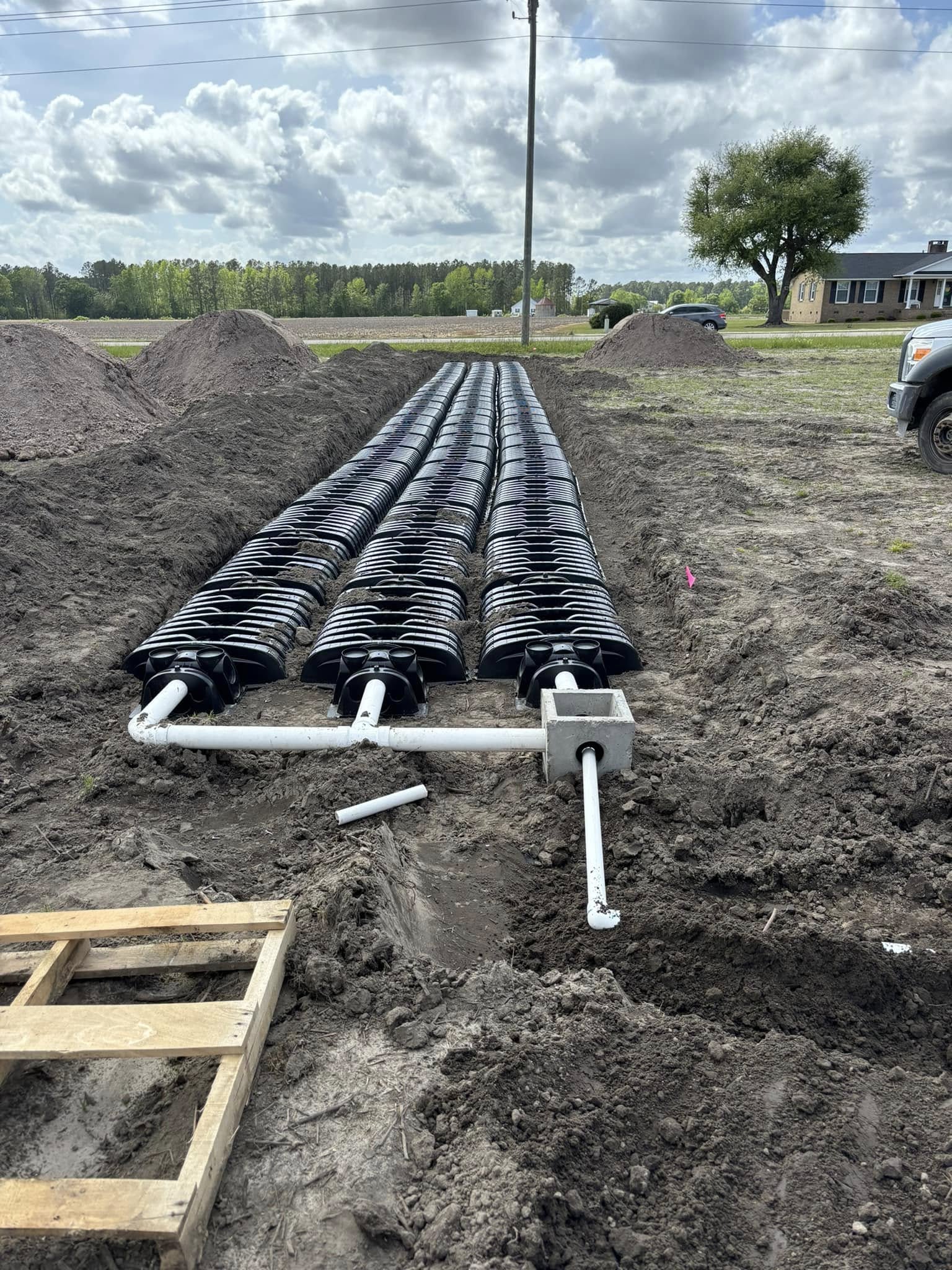
Once the effluent is adequately processed, it must leave the septic tank. This is where the drainfield, or leach field, plays a vital role. The drainfield typically consists of a network of perforated pipes buried in gravel-filled trenches. Here, the effluent is distributed, allowing it to filter through the surrounding soil. This soil acts as a natural filter, removing harmful bacteria, viruses, and nutrients, further purifying the water as it percolates through the earth. Maintaining a healthy drainfield is paramount, as it ensures the continued safe reintroduction of water into the environment.
As wastewater undergoes treatment in these natural processes, efficiency hinges on proper septic system maintenance. Regular inspections and pumping are key to preventing system overload, which can lead to backups and costly repairs. Diversified Septic recommends scheduling professional inspections every one to three years, depending on your household size and usage patterns. This proactive step ensures any issues are detected and addressed promptly.
Understanding your system's capacity can prevent overuse. Being mindful of water usage and spacing out laundry loads, for example, can help regulate the amount of wastewater entering the system. Additionally, avoid planting deep-rooted shrubs and trees near the septic tank and drainfield to reduce the risk of root intrusion.
Septic systems are integral to sustainable living, offering a self-contained wastewater treatment solution. By understanding and respecting the journey of waste through your septic system, you can contribute to a cleaner environment and extend your system's lifespan. Diversified Septic is committed to helping you maintain a healthy septic system, offering reliable services and professional advice whenever you need it.
Thank you for taking the time to learn about septic system processing with us. Whether you need routine maintenance or emergency services, Diversified Septic is here to support you in every step of maintaining a hassle-free septic journey. Protect your investment and ensure your home's wastewater system runs smoothly by understanding and caring for your septic processes.
/filters:no_upscale()/filters:format(webp)/media/335c4493-24d6-40ad-874f-8350ffefd7f0.jpeg)
/filters:no_upscale()/filters:format(webp)/media/435f57b7-9261-446c-b5ce-52f49644ce3c.jpeg)