Understanding Soil and Its Impact on Your Septic System's Efficiency Jan 29, 2026
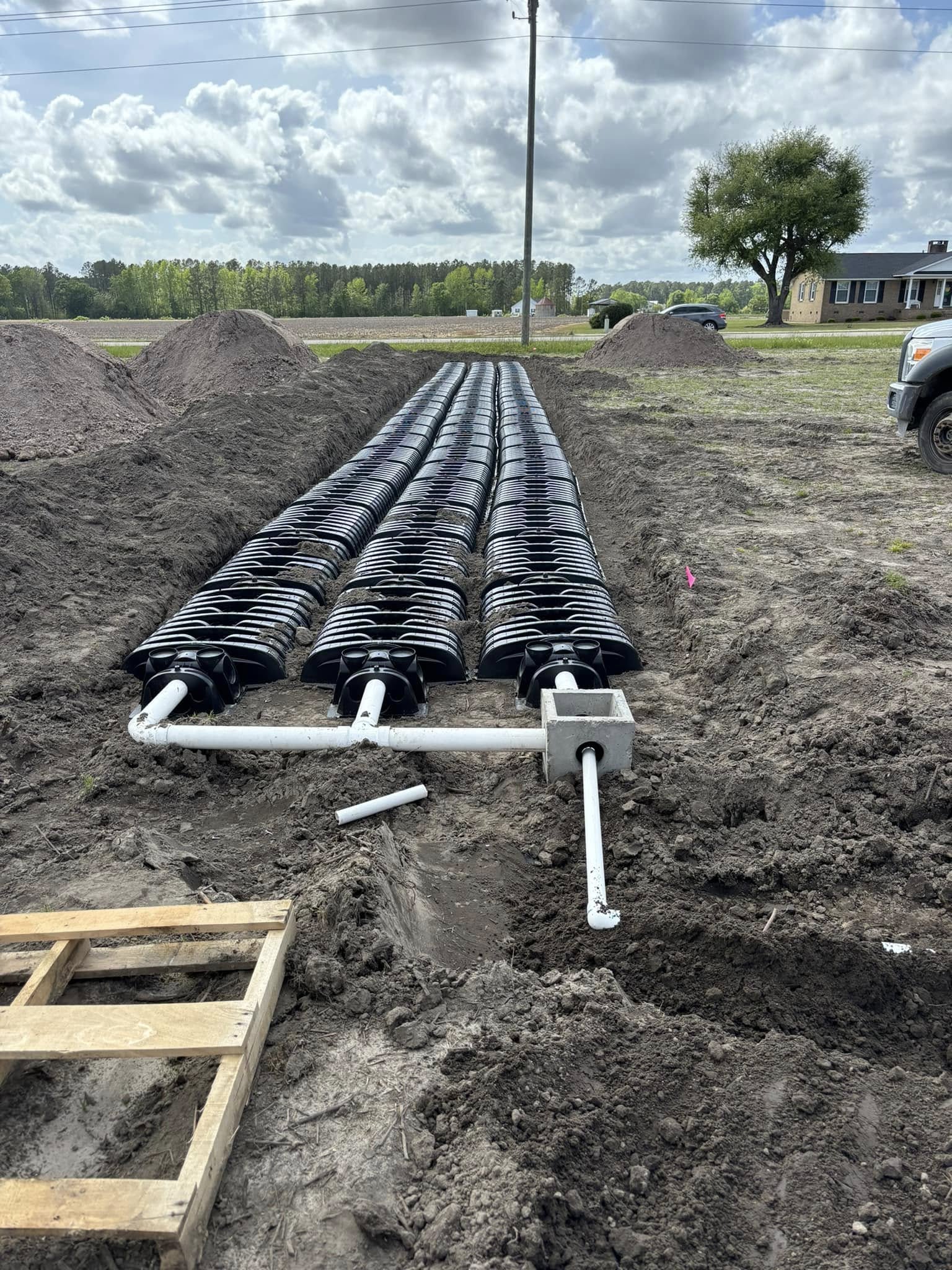
When wastewater exits the septic tank, it flows into a series of perforated pipes in the drain field, also known as the leach field. Here, the soil plays its critical role. For a septic system to operate efficiently, the soil in the leach field must be able to adequately absorb and treat the effluent. This natural filtration process relies heavily on the soil's properties, which can vary significantly from one location to another.
Different soil types have unique characteristics that affect how well they can manage and treat effluent. Sandy soils, for example, drain quickly and efficiently but may not provide sufficient filtration, allowing pollutants to reach groundwater. Conversely, heavy clay soils may retain water too effectively, leading to a clogged system and potential backup. Silt soils lie between these two extremes, offering a moderate rate of drainage and filtration.
The soil's absorption rate is a critical factor in determining a septic system's design. Soil percolation tests are often conducted to measure how quickly water drains through the soil. These tests help in properly sizing the leach field, ensuring it can handle the wastewater load without overloading the system. If the soil absorbs water too slowly, the system could become overwhelmed, causing unpleasant backups and costly repairs.
Homeowners should also be aware that soil composition can change over time due to various factors such as construction, landscaping, and environmental changes. Evaluating the soil every few years can preempt potential problems. Maintaining vegetation over the leach field, for instance, can enhance soil health and ensure robust filtration. However, it's essential to avoid planting deep-rooted trees or shrubs near the leach field as they can infiltrate and damage the system.
It's also crucial to consider local regulations and environmental concerns when it comes to septic system management. Regulations often dictate the acceptable soil types for septic installations and their maintenance requirements. Adhering to these guidelines not only ensures compliance but also helps safeguard local water resources.
Weather patterns can also impact your septic system's performance. Heavy rainfall or flooding can saturate the soil, hindering its ability to effectively filter wastewater. Therefore, it's advisable to have routine inspections, especially after unusual weather events, to assess any potential risk to system functionality.
In conclusion, the efficiency and health of a septic system are intricately tied to the characteristics and conditions of the soil in which it operates. By understanding how soil impacts the absorption and treatment of effluent, homeowners can better manage and maintain their systems, avoiding premature failures and expensive repairs. If you have concerns about your soil's suitability, or are experiencing issues with your septic system, consulting with experts at Diversified Septic can provide you with the necessary guidance and solutions for optimal system performance. Through careful assessment and regular maintenance, you can ensure that your septic system remains a reliable and efficient solution for wastewater management.
/filters:no_upscale()/filters:format(webp)/media/335c4493-24d6-40ad-874f-8350ffefd7f0.jpeg)
/filters:no_upscale()/filters:format(webp)/media/435f57b7-9261-446c-b5ce-52f49644ce3c.jpeg)