Understanding Soil Percolation in Septic Systems: Why It Matters Jun 12, 2026
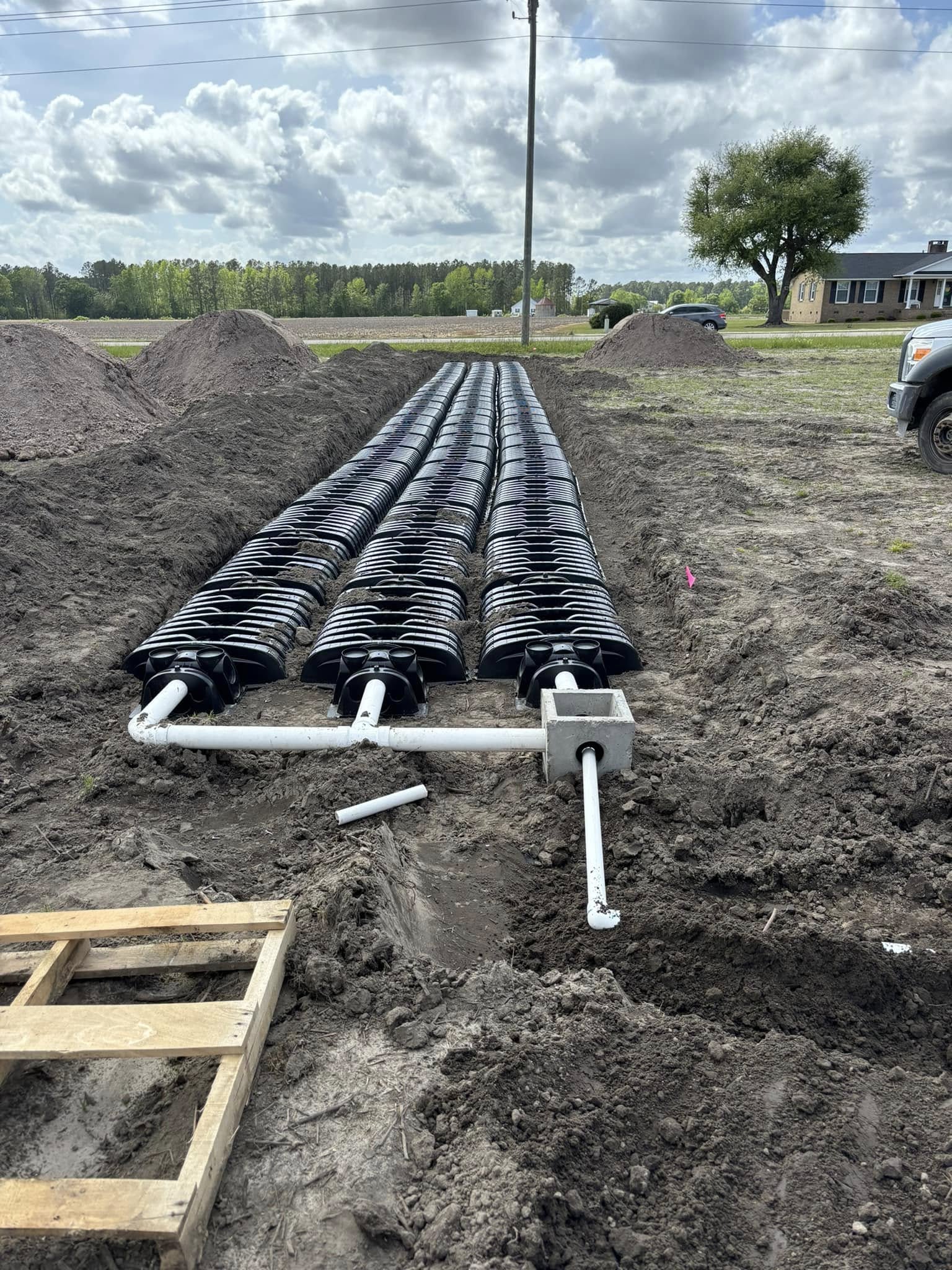
At its core, soil percolation is the process through which water moves through soil layers. It's a natural filtration system. In the context of septic systems, percolation describes how well wastewater spreads and filters through the soil in your drain field or leach field. The percolation rate determines how quickly or slowly the wastewater filters down into the soil, ultimately affecting how successfully your septic system processes waste.
A successful septic system relies heavily on an adequate soil percolation rate, as this ensures that wastewater is efficiently treated before it re-enters the groundwater system. A proper percolation rate prevents pollutants from reaching groundwater, thus safeguarding both human health and the environment. Consequently, understanding and ensuring proper soil percolation is essential not just for the functionality of your septic system, but also for meeting regulatory standards that aim to protect local waterways and the wider ecosystem.
The process of testing soil percolation involves conducting a percolation test, often simply called a 'perc test.' This test measures the rate at which water is absorbed by the soil and is usually performed when a new septic system is being installed. Whether you're setting up a new system or maintaining an existing one, knowing how to interpret the results of a perc test is crucial. The test involves digging several holes in your proposed drain field, filling them with water, and observing how quickly the water level drops.
Different soil types will have different percolation rates. Sandy soil tends to have a high percolation rate, meaning water moves through it quickly. Clay-rich soil absorbs water slowly, which can lead to a poor percolation rate and potential septic system failures. Therefore, an assessment of soil type can be extremely beneficial in determining the suitability of your land for septic use.
Suboptimal percolation rates can lead to serious issues such as system backups, slow drainage, or even complete system failure. Addressing these concerns proactively can save you considerable time and money. Diversified Septic recommends regular maintenance checks and consulting professionals when considering new installations. The right expertise can guide you in adjusting the location of your drain field, amending soil, or even opting for advanced systems like aerobic treatment units that are better suited for slow-draining soils.
In conclusion, understanding the significance of soil percolation in your septic system cannot be overstated. It is a key component that determines not only the health of your system but also plays a part in environmental conservation. For solutions tailored to your specific needs, the experts at Diversified Septic are here to help, ensuring that your system operates efficiently and safely. Investing time in understanding and optimizing your soil percolation can enhance the performance of your septic system and help preserve the natural resources around us.
/filters:no_upscale()/filters:format(webp)/media/335c4493-24d6-40ad-874f-8350ffefd7f0.jpeg)
/filters:no_upscale()/filters:format(webp)/media/435f57b7-9261-446c-b5ce-52f49644ce3c.jpeg)