Understanding the Septic System Installation Process Dec 09, 2025
To begin with, knowing the local regulations is vital. Septic system installation is subject to strict guidelines that vary by location. Before anything else, homeowners must familiarize themselves with these rules and secure the necessary permits. Partnering with a professional septic service provider will ensure compliance, as they have extensive knowledge of state and local requirements.
Site evaluation is the next critical step and involves assessing the property to determine the best location for the septic system. Professionals from Diversified Septic perform detailed surveys, considering factors like soil type, property size, and natural features. Soil testing is essential at this stage to evaluate its absorption and filtration capabilities, which directly affect the system’s efficiency and longevity.
Designing the septic system follows a successful site evaluation. This phase involves crafting a system that meets both the property’s needs and environmental standards. A typical septic system includes a septic tank, drain field, and piping, all of which must be tailored to suit your specific site conditions. Diversified Septic's expertise in creating customized designs ensures optimal system performance.
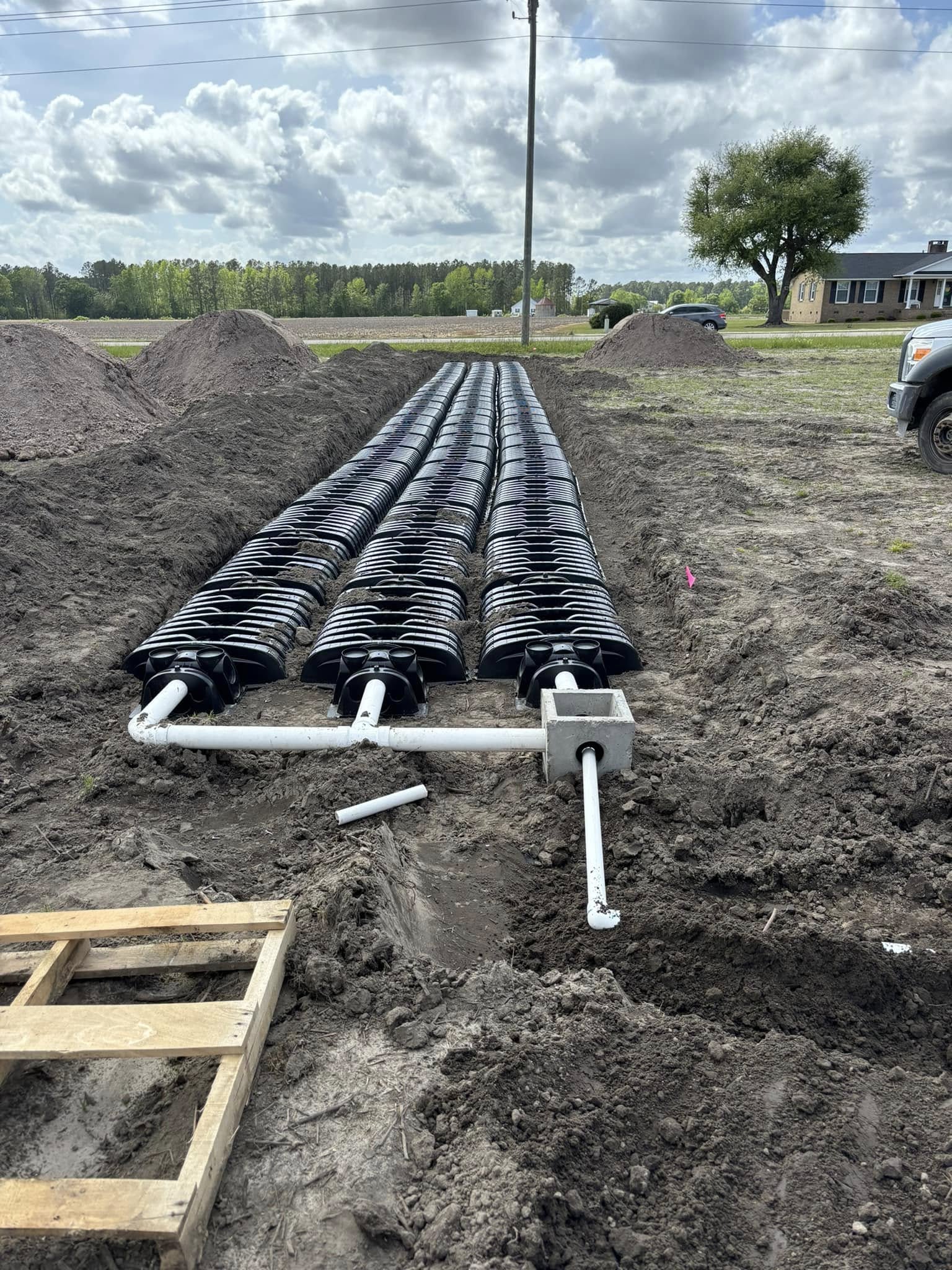
Once the design is finalized, excavation begins. This involves digging to install the septic tank and creating trenches for the drainage system. It is crucial that this phase is handled with precision to avoid future complications. The installation of the septic tank is executed with great care, ensuring it is properly positioned and levelled. A high-quality installation will prevent malfunctions and leakages, safeguarding the surrounding environment.
Installing the drain field, also known as a leach field, is the next step. This component is critical in filtering and dispersing the wastewater safely into the ground. The installation requires meticulous attention to ensure the sloping is correct, facilitating proper flow and preventing saturation.
After installation, the system undergoes thorough testing and inspection to guarantee everything operates as it should. At Diversified Septic, their specialists conduct rigorous tests to confirm leak prevention, efficient drainage, and overall system functionality. Passing this inspection is necessary before the final approval from local authorities.
The last phase is covering and finishing, where trenches are backfilled, and the area is restored to its natural state. Proper landscaping will ensure the drain field is unobstructed and the septic system is effectively concealed while maintaining aesthetic appeal.
In conclusion, understanding the septic system installation process can significantly enhance how you engage with contractors, ensuring you get a system that functions reliably and efficiently. Engaging a reputable service like Diversified Septic not only simplifies this process but guarantees a solution tailored to your property’s unique requirements. By investing time in comprehending each step of the installation, homeowners can ensure their systems provide years of trouble-free service, protecting both their investment and the environment. Whether you are building a new home or upgrading an existing system, Diversified Septic is your go-to expert for efficient and compliant septic system installations.
/filters:no_upscale()/filters:format(webp)/media/335c4493-24d6-40ad-874f-8350ffefd7f0.jpeg)
/filters:no_upscale()/filters:format(webp)/media/435f57b7-9261-446c-b5ce-52f49644ce3c.jpeg)