Blog
From Installation to Inspection: A Comprehensive Guide to Septic System Lifecycles
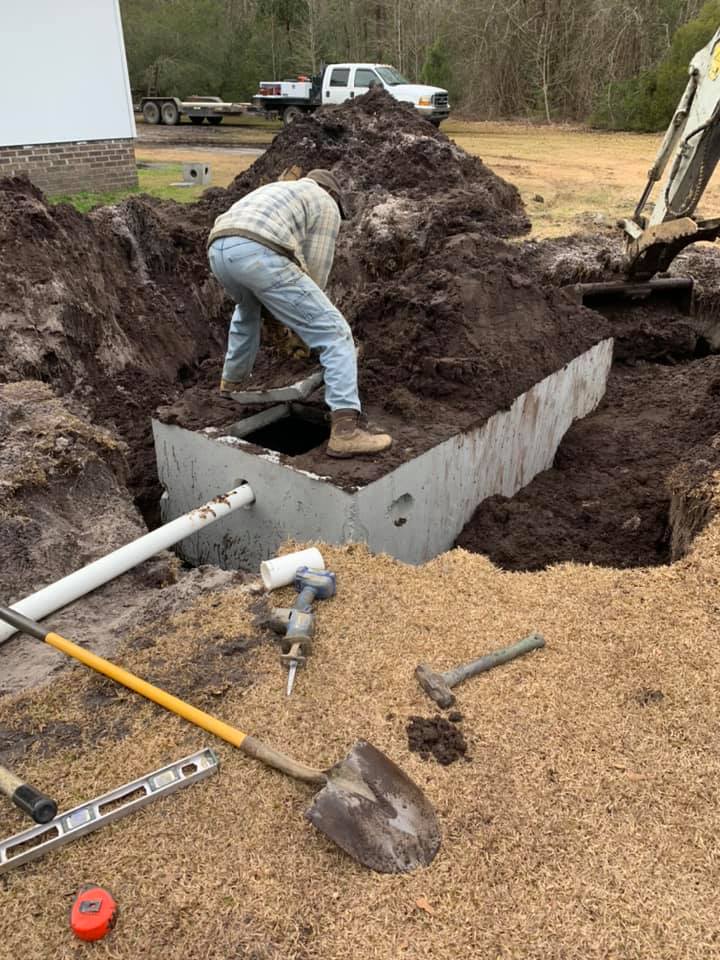
The journey begins with the installation of the septic system. Choosing a reliable service provider, like Diversified Septic, ensures that the system is set up correctly from the start. The installation involves several key steps, including site assessment, soil testing, and design planning. An expertly installed system will be tailored to the specific needs of your property, taking into account the soil type, size of the home, and local regulations. Proper installation is crucial, as it lays the foundation for the entire system's functionality and longevity.
Once the septic system is installed, the focus shifts to regular maintenance, which acts as the linchpin in the septic system lifecycle. Routine sewage pumping is essential. Most systems require pumping every three to five years, depending on the size of the tank and household usage. This process involves removing the accumulated sludge and scum to ensure the septic tank operates efficiently. Regular pumping helps prevent overflow and backups, which can lead to costly repairs and unpleasant experiences.
Beyond regular pumping, it is vital to monitor water use and be mindful of what goes down the drain. Overloading the system with excess water can lead to complications, so practices like fixing leaks, using water-saving fixtures, and spreading washing loads throughout the week are advisable. Likewise, avoid disposing of non-biodegradable items or harmful chemicals in sinks and toilets, as these can disrupt the natural bacterial balance within the tank necessary for breaking down waste.
Regular inspections are another critical component of septic system care. They help detect potential issues early, before they escalate into significant problems. A thorough inspection, performed by professionals like those at Diversified Septic, will check for leaks, ensure that the bacteria in the tank are effectively processing waste, and confirm that the drainfield functions correctly. With technological advancements, inspections now incorporate digital tools and sonar technology for precision without disrupting your property.
In addition to regular maintenance and inspections, homeowners may face occasional repairs. These could range from fixing minor leaks to replacing components like baffles or lids. Addressing repairs promptly ensures that small problems do not develop into larger, more costly issues. Working with experienced septic professionals ensures the repairs are handled efficiently and effectively.
Finally, after many years of reliable service, a septic system may require replacement. Signs indicating the need for replacement include persistent system failures, frequent repairs, or if the system is unable to keep up with the household's wastewater load despite adequate maintenance. When this time comes, expert guidance from a trustworthy source like Diversified Septic will help you navigate the replacement process with confidence.
In conclusion, understanding the lifecycle of your septic system is an essential part of maintaining your home’s infrastructure. From installation and regular maintenance to inspections and eventual replacement, each stage requires attention and expertise. With diligent care and professional guidance, your septic system can operate efficiently for decades, providing peace of mind and protecting your investment. Reach out to Diversified Septic for all your septic service needs, ensuring your system is in capable hands.