Blog
Storm Preparedness: Ensuring Your Septic System Stands Strong Against Weather Extremes
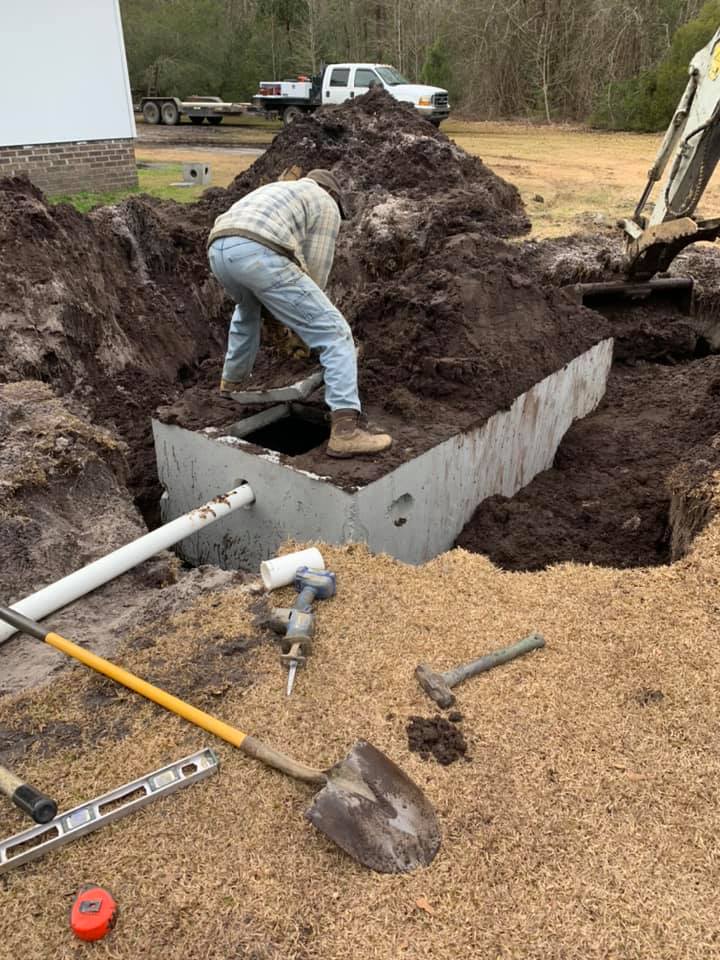
First, it’s important to have a basic understanding of how your septic system functions and its components. A traditional septic system typically consists of a septic tank and a leach field. The tank is primarily a containment device where solids settle and the liquid waste overflows into the leach field. During heavy rains, the leach field can become saturated, challenging the system's ability to properly dispose of wastewater. This can lead to backups and overflows, making preemptive measures essential.
One of the key steps in preparing your septic system for bad weather is regular maintenance. Routine inspections and pump-outs, ideally every three to five years, keep your system in good shape and prevent minor issues from becoming major headaches. Diversified Septic offers comprehensive maintenance services designed to identify potential problems before storms hit. Proactive maintenance ensures your system operates efficiently and mitigates the risk of storm-related damages.
Additionally, during storm season, it's wise to reduce water usage. Avoid activities that contribute to excessive water flow into the septic system, such as laundry or dishwashing, during and immediately after storms. This helps prevent the leach field from becoming saturated when the ground is already dealing with an influx of stormwater. Educating your household on this simple but effective step can make a significant difference in maintaining your system’s functionality.
Landscaping can also play a vital role in storm preparedness for those with septic systems. Redirect downspouts away from the septic tank and drain field to minimize the added water load. Proper grading of the land around your septic system can also facilitate drainage and prevent water from pooling near sensitive components. Always ensure that heavy equipment and vehicles are kept away from the area over your septic system to avoid compacting the soil, which can limit its ability to properly absorb and treat wastewater.
In the aftermath of a storm, it's crucial to inspect your septic system for signs of damage. A saturated leach field can take time to dry out, so if you notice slow drains or a sewage odor, contact professionals immediately. Diversified Septic can assess any post-storm damage and offer timely, efficient solutions to restore your system to optimal functioning.
In conclusion, ensuring your septic system is ready for weather extremes requires thoughtful preparation and consistent maintenance. Employing these storm preparedness strategies not only protects your investment but also ensures that your septic system remains a reliable component of your home’s infrastructure, even in challenging weather conditions. By partnering with professionals like Diversified Septic, you can rest easy knowing that your system is prepared to withstand whatever Mother Nature throws your way.